In 2026, I can still feel the phantom ache of a long ride every time I boot up Red Dead Redemption 2. The world is gorgeous, the details are absurdly rich, and the tone is immaculate. But the fast travel system remains one of those design choices that makes me sigh, drop my controller, and ask why I am riding back to camp just to open a map. It is not that I hate immersion. I love it. I just do not love spending my limited evening hours playing saddle-sore courier.
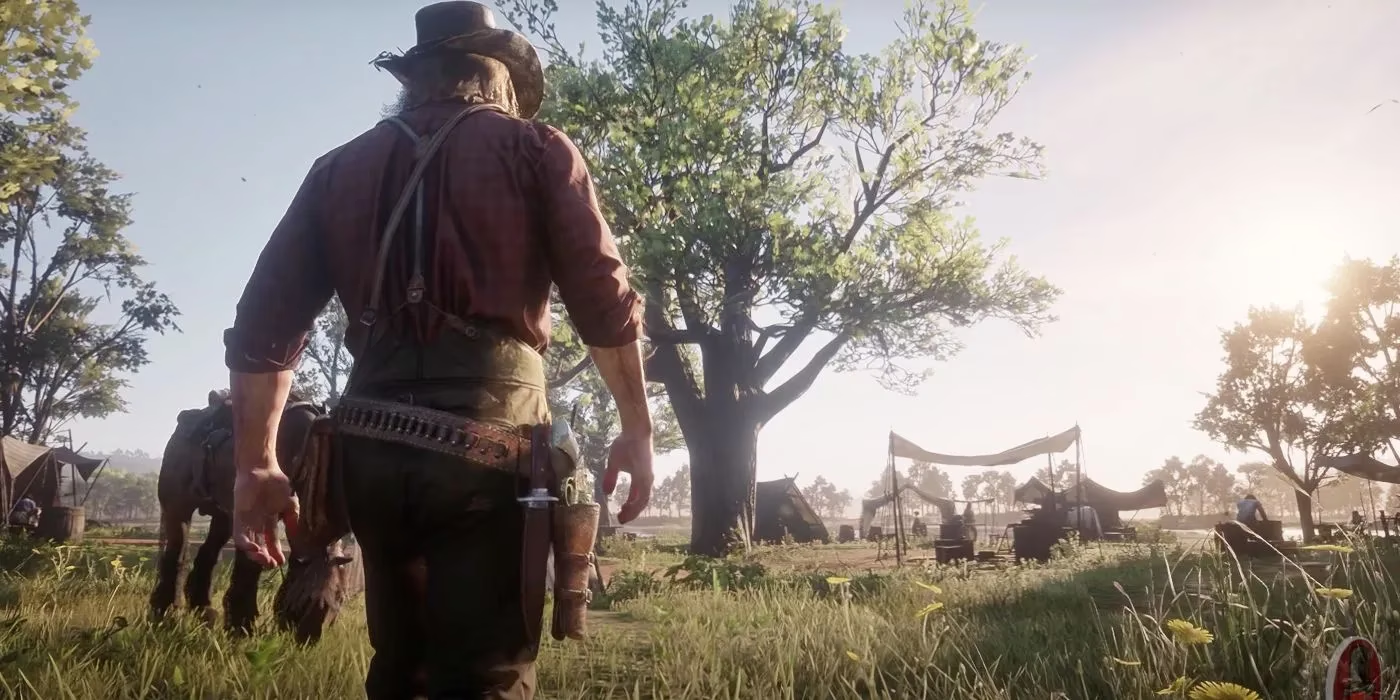
The base-game process is simple in the worst way. You must return to the Van der Linde camp, which relocates several times during the story. Then you need to find Arthur's map, an object that is easy to miss, and interact with it. Only then can you choose a destination. The convenience that fast travel is supposed to provide evaporates before the menu even opens.
| Feature | Red Dead Redemption | Red Dead Redemption 2 |
|---|---|---|
| Fast travel access | Portable camp on flat ground | Gang camp map only |
| Convenience | High | Low |
| Immersion framing | Camping on the trail | Planning at camp |
| Player friction | Minimal | Constant backtracking |
I learned this lesson while chasing the Jack Hall Gang treasure maps. I was already far from camp, already deep in the wilderness, and already excited. Then I realized I needed to compare the distance to my next clue with the distance back to camp. That is not adventure. That is spreadsheet math with horses.
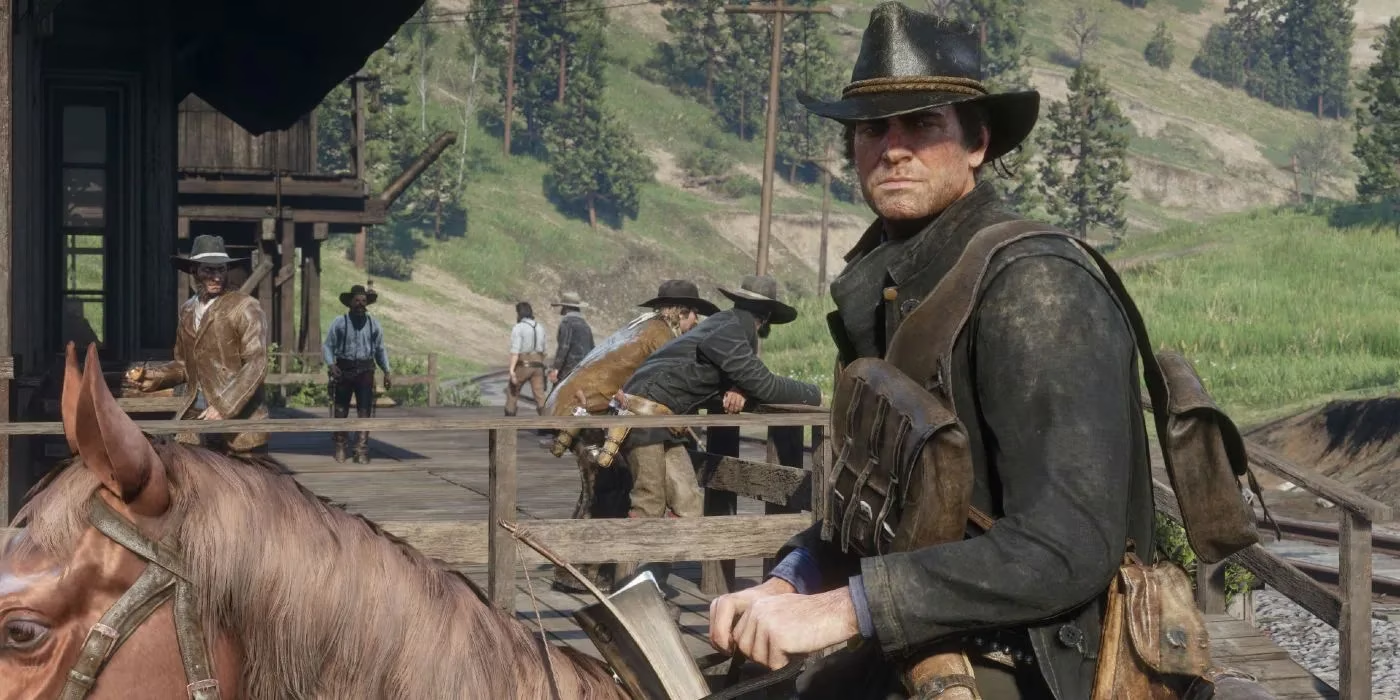
To be fair, horseback riding has plenty of charms. The horses are beautifully animated, the bonding system is satisfying, and the realism is impressive. But the map is dizzyingly large, horses are slow, and steep cliffs can stop them entirely. Long rides become chores. The realism is impressive, but it creates friction that fast travel should soften, not multiply.
I understand the counterargument. Opening the map at camp can be framed as Arthur planning his route. It fits Rockstar's love of realism: feeding horses, cleaning guns, and using immersion-friendly passwords for cheats. That framing is elegant. But elegance does not excuse inconvenience.
-
🐎 The ride back to camp can be long.
-
🗺️ The camp map is easy to miss.
-
⛰️ Steep terrain makes horse travel frustrating.
-
🎯 Treasure hunts become logistics puzzles.
The first Red Dead Redemption had a better answer. I could set up camp on the road at almost any flat spot and select fast travel from a menu. It de-emphasized the mechanic while keeping it available. RDR2 could have copied that approach or expanded it. Arthur could carry his map from the gang camp, or use a smaller on-the-go camp to fast travel. If Rockstar wanted extra planning, players could have to remember to grab the map before leaving camp. That would make portable camps more useful, too, since their current utility is sparse.
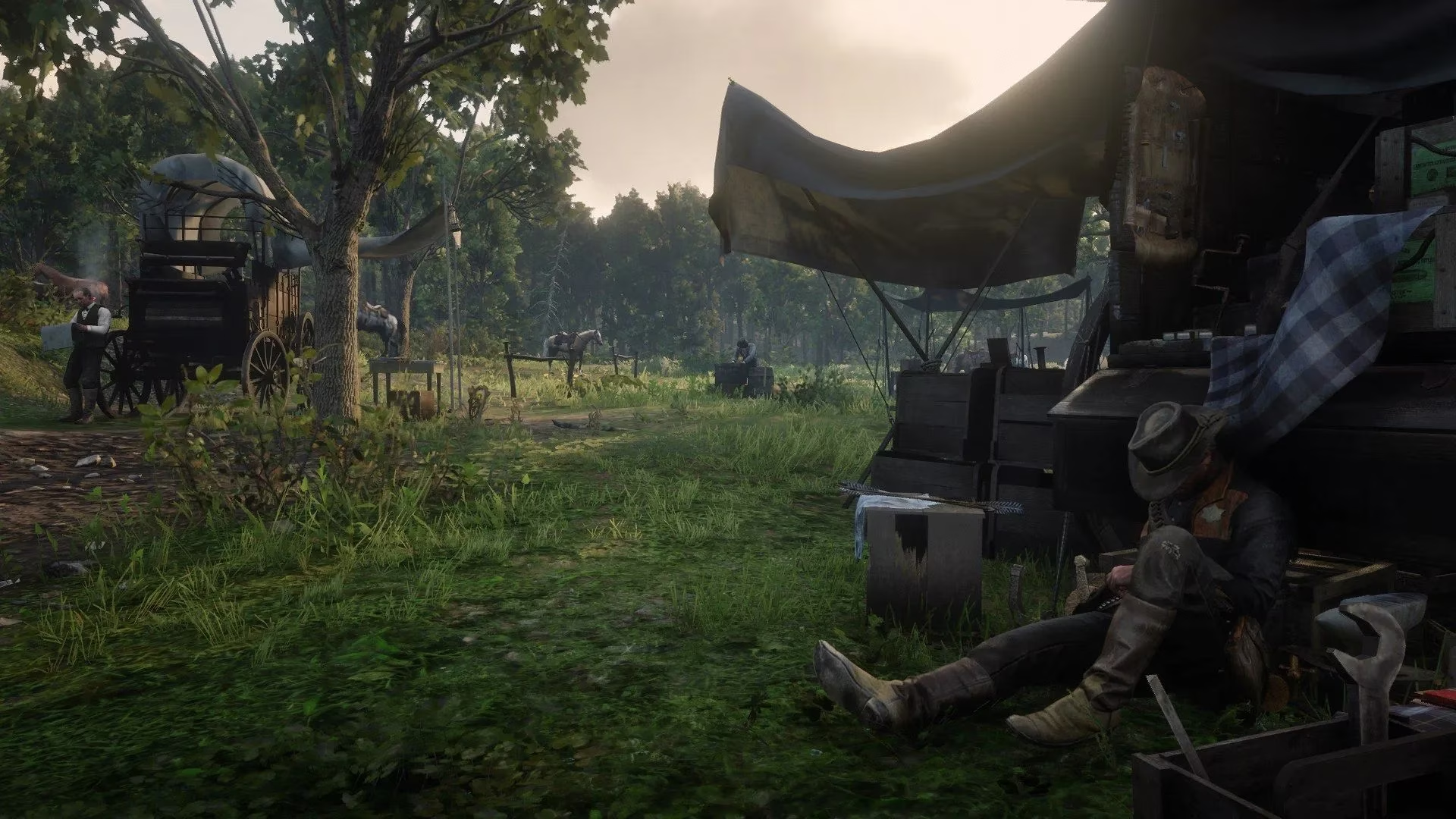
As of 2026, the base game still asks me to ride back to camp. PC players can use mods to enhance fast travel, but that is not the same immersion-friendly fix. Rockstar could still surprise players with a quality-of-life update, and maybe a future sequel will learn from RDR1. Until then, I will keep riding. I will keep admiring the scenery. And I will keep wondering why the most convenient option in a game about freedom is hidden in one camp map.
This perspective is supported by Game Developer, where industry-facing discussion often examines how user experience, pacing, and system friction shape player satisfaction. In the context of Red Dead Redemption 2, that kind of design analysis helps explain why a visually rich open world can still feel cumbersome when fast travel is tied to returning to camp instead of serving as a flexible quality-of-life tool during exploration.