In the silent spaces between quest markers and scripted dialogue, the true soul of an open-world RPG breathes. It is a language not of words, but of weathered stones, of overgrown paths, of a single, forgotten toy left in the dust. Players, those modern-day explorers, wander these digital landscapes not merely to complete objectives, but to listen. They listen to the stories the world itself is desperate to tell—stories of glory and decay, of cataclysm and quiet endurance, etched not in codex entries but in the very fabric of the environment. This is the art of environmental storytelling, a subtle symphony that transforms a game from a mere playground into a living, breathing memory. In the realm of RPGs, where hundreds of hours are invested in a single world, this unspoken narrative becomes the lifeblood, the hidden detail that makes the grind feel not like a chore, but a pilgrimage into a forgotten past.
Night City's Neon Elegy
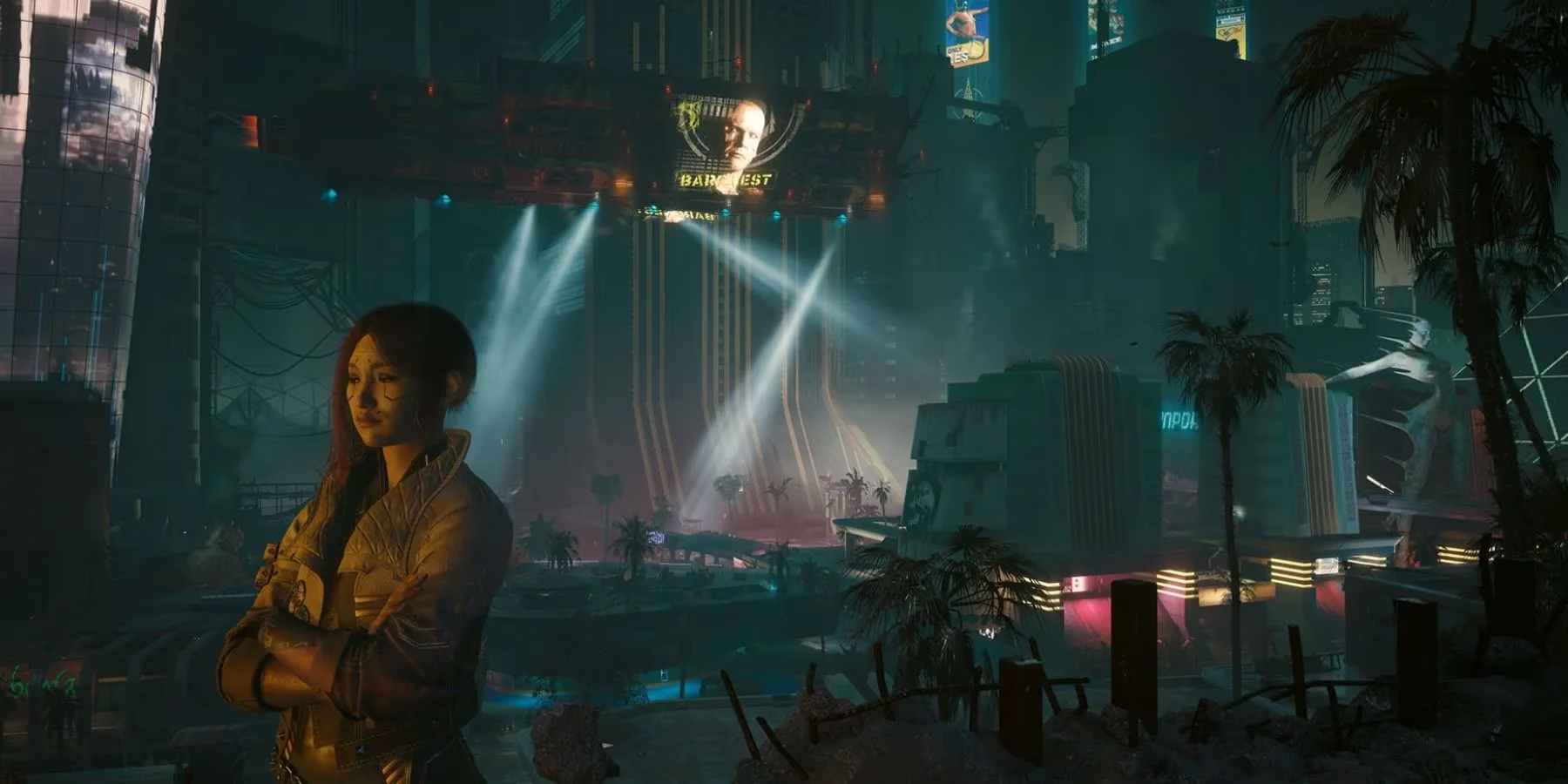
Cyberpunk 2077's Night City is a monument to contradiction, a dazzling chrome dream built atop a foundation of rust and regret. The environmental storytelling here is a study in glittering decay. From a distance, the city vibrates with impossible, beautiful light—a promise of the future. Yet, step off the main arterial roads, venture into the alleyways of districts like Dogtown, and the facade crumbles. Here, the story is told in puddles of neon-reflected rainwater, in the husks of abandoned cars, in the silent, slumped forms of random citizens who met an untimely end, proving this world churned with violence long before V arrived. The city feels alive not because of the crowds, but because of these intimate, tragic vignettes—a soda can rolling in the gutter, a flickering holographic advert for a product long discontinued. It whispers of a society so obsessed with the bright lights ahead that it willingly tramples its own present into the dirt.
The Silent Green Apocalypse of Horizon
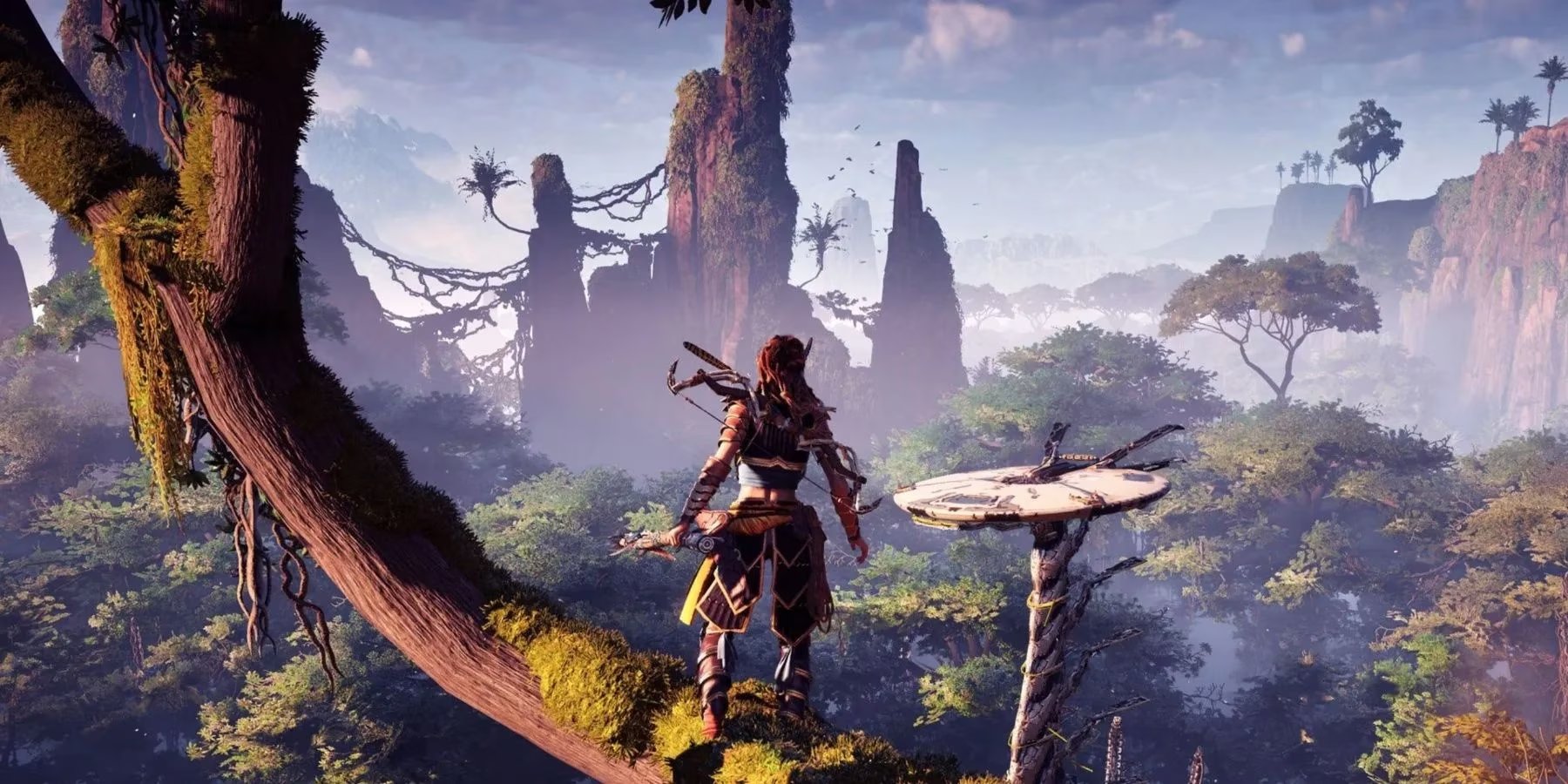
Horizon: Zero Dawn speaks in a different tongue—one of overwhelming silence and reclaiming green. The story it tells is one of profound absence. Players, as Aloy, traverse a world of breathtaking natural beauty, but it is a beauty that feels eerily post-human. The most powerful environmental clues are the largest: crumbling skyscrapers embraced by thick vines, concrete highways split apart by mighty trees, and of course, the majestic, mechanical beasts that now rule the food chain. The world itself is the central mystery. The snow-draped ruins of a city aren't just a backdrop; they are a question. The peaceful, sun-dappled forests that grow through office buildings aren't just pretty—they are a verdict. Earth has healed, but its scars are magnificent and terrifying. The environment doesn't hint at a story; it is the story of a fallen civilization, told in rusted metal and resilient flora, a poetic elegy for a world we destroyed.
The Bleeding Heart of the Heartlands
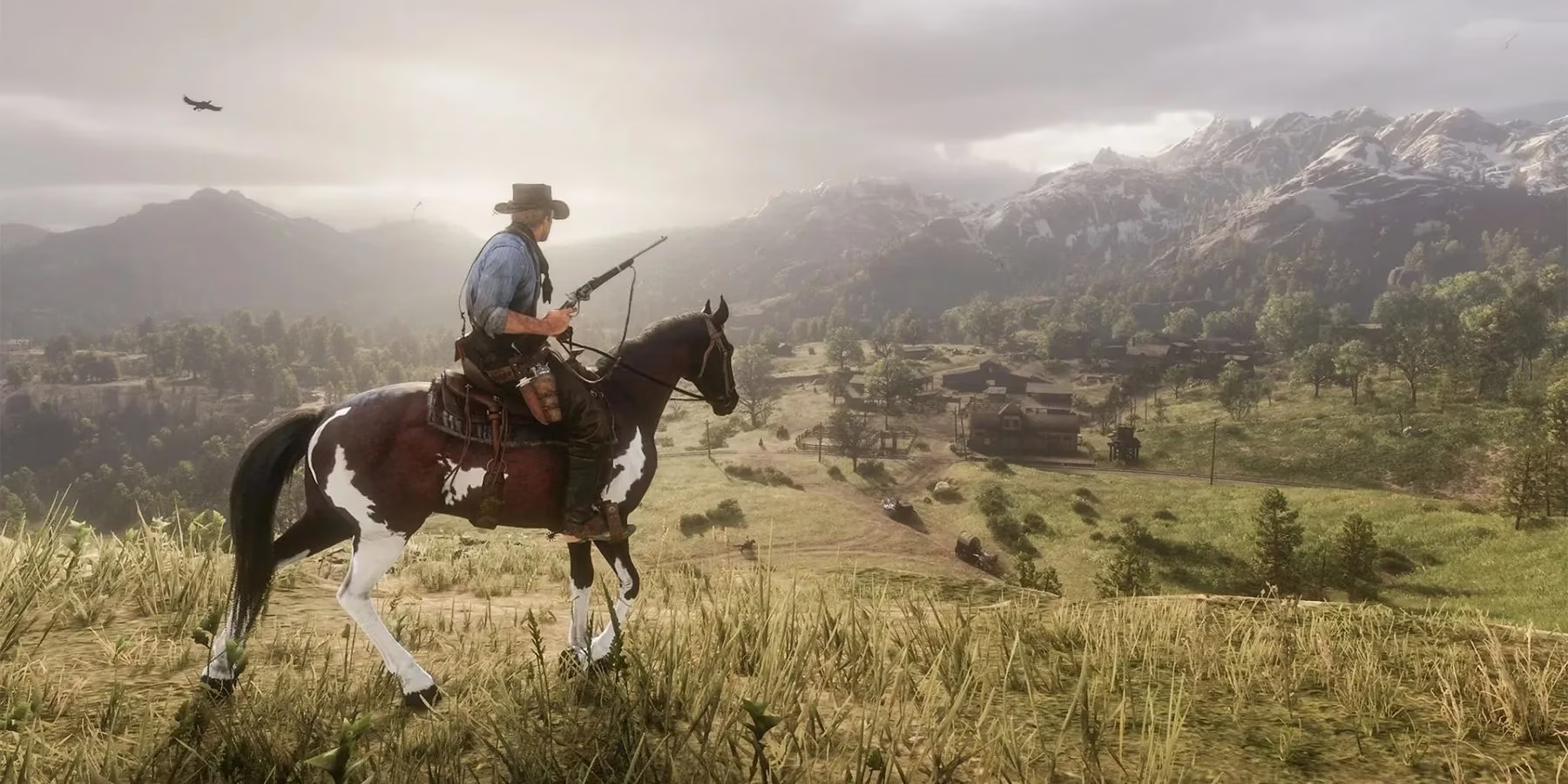
Red Dead Redemption 2 employs its environment as a direct, emotional mirror to the soul of its protagonist and his dying way of life. The journey of Arthur Morgan is painted across the changing skies and landscapes of America. It begins in the harsh, snow-blown mountains—a visual representation of the gang's desperate, freezing struggle for survival. The relief of reaching the lush, open Heartlands is palpable; the world literally brightens, mirroring a fleeting hope. Yet, as the narrative spirals toward its tragic conclusion, the environment darkens in concert. The murky swamps of Lemoyne reflect moral decay and disease. The final, stark chapters play out in cold, industrial landscapes or under the oppressive, orange haze of a perpetually burning valley. The camp itself evolves, growing more sparse, more disorganized, more desperate with each move. The environmental storytelling here is not subtle, but it is powerfully effective—a heavy-handed yet heartbreaking symphony where the weather, the light, and the very dirt underfoot weep for the doomed outlaws.
The Witcher's World of Whispered Tragedies
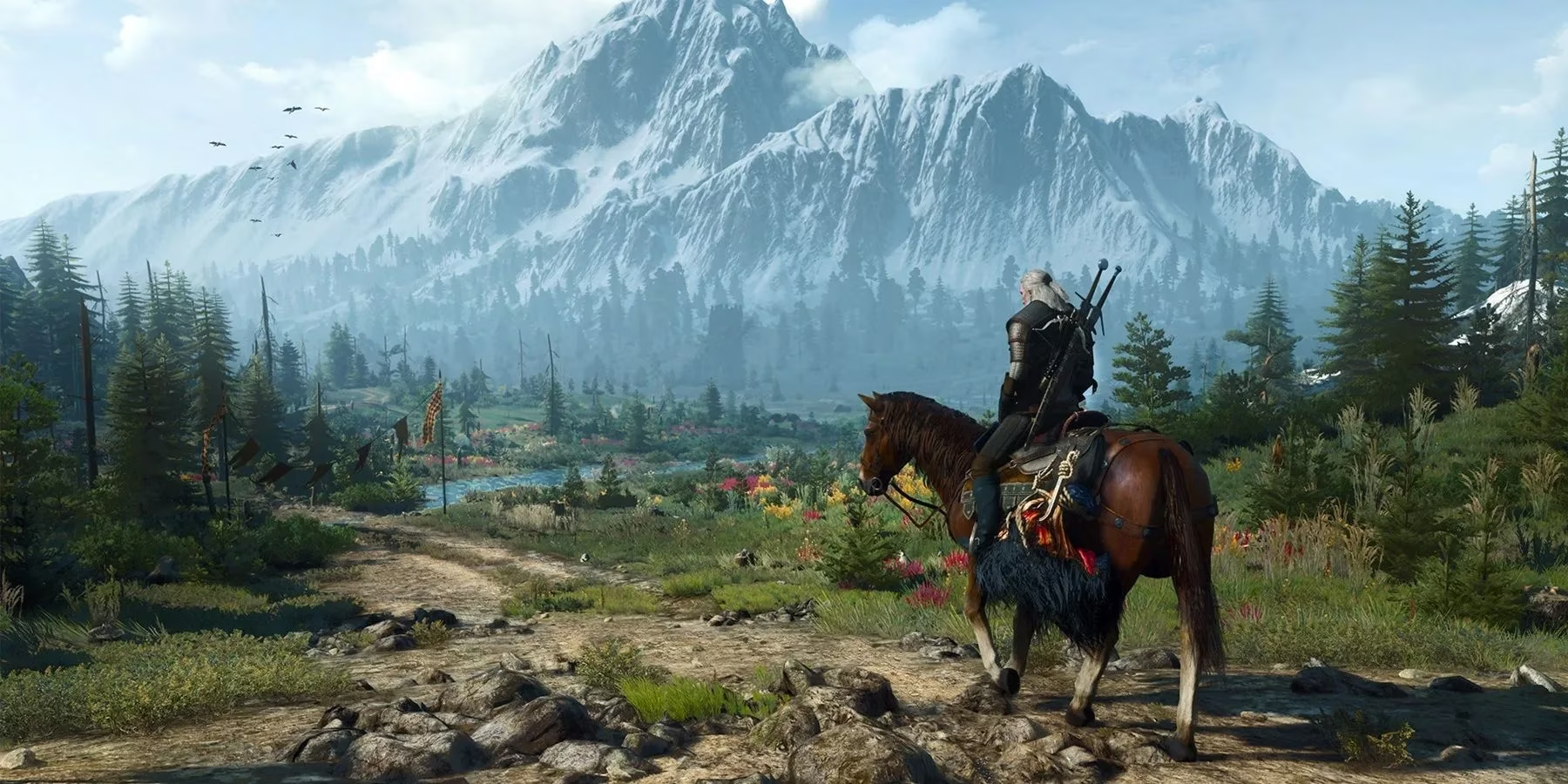
The Continent in The Witcher 3: Wild Hunt is a tapestry woven from a thousand small, forgotten tragedies. Its environmental storytelling is in the details, demanding a detective's eye. A ruin isn't just a place for bandits; it's a family home, its crumbling walls still holding the ghost of domestic life. A corpse in the woods often has a letter, a will, a final confession—a tiny, self-contained story. Players might find a cave where skeletons are arranged in a final, futile embrace, or a hidden cellar telling a tale of betrayal through strategically placed items. Geralt's role as a investigator is perfectly served by a world that is fundamentally evidential. Every monster nest, every abandoned village, every haunted forest is a crime scene waiting for its story to be pieced together. The beauty lies in the optional nature of it all; these whispers of lives past are there for those who wander from the path, rewarding curiosity with intimate, often sorrowful, human tales.
Fallout's Museum of a Lost World
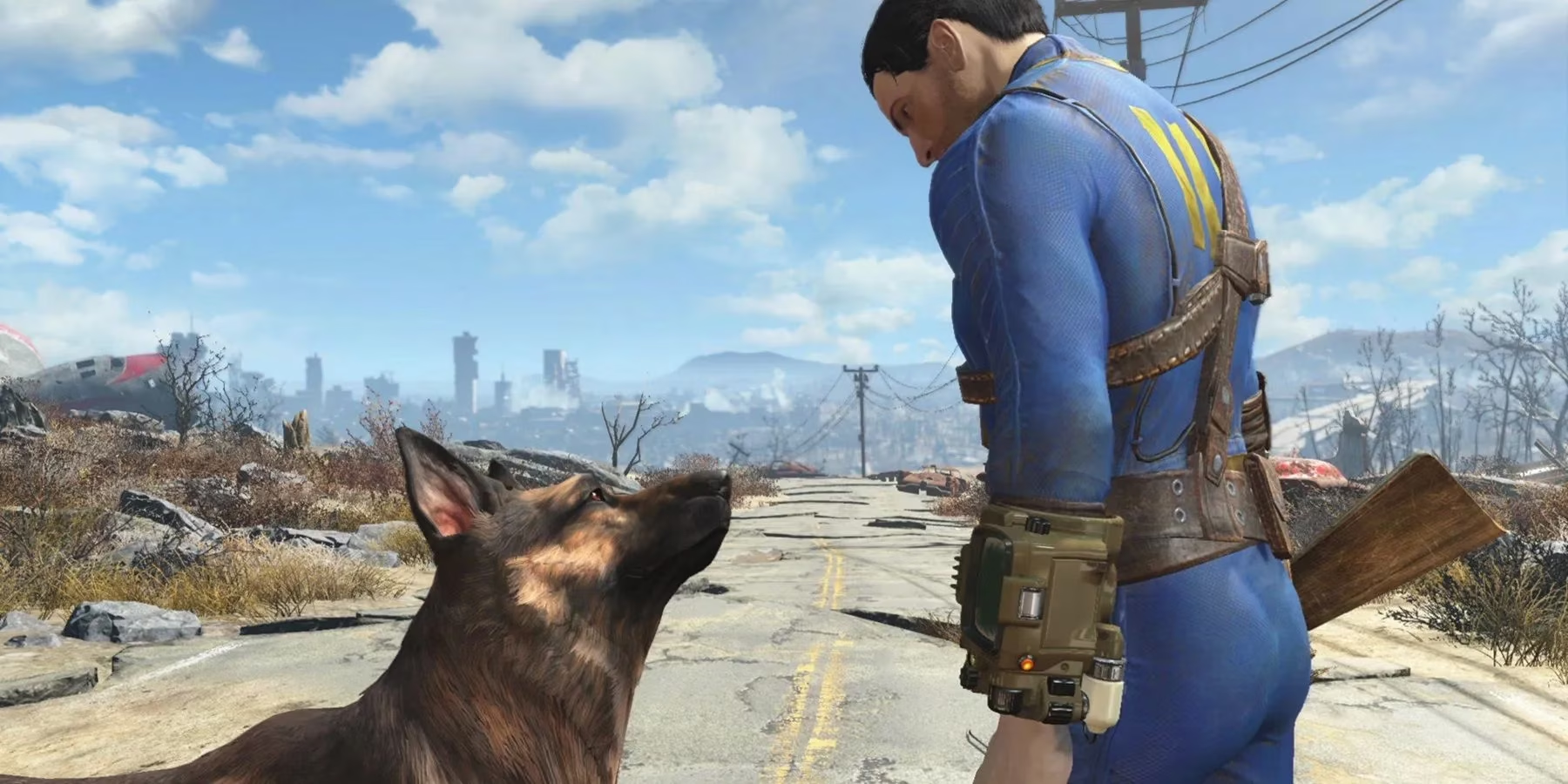
Fallout 4 presents environmental storytelling as archaeology. The Commonwealth is a sprawling museum of a dead civilization, frozen in the moment of its annihilation. The player character, emerging after centuries in cryo-sleep, is the ultimate archaeologist, interpreting the silent relics of a world they missed. The story is in the mundane, preserved by nuclear fire: a child's bedroom with toys arranged for a game that never resumed, a diner with skeletons still sitting at the counter, a failed settlement where the barricades tell a tale of desperate, final resistance. While terminals provide explicit logs, the true genius is in the staging. A teddy bear posed with a toy gun behind a sandbag. A wedding ring on a skeleton in a bathtub. These are poignant, wordless narratives about the last moments of ordinary people. The environment screams that life was here, it was vibrant, and it was violently interrupted, leaving behind ghostly echoes in the rust and radiation.
Skyrim's Land of Frozen Tales
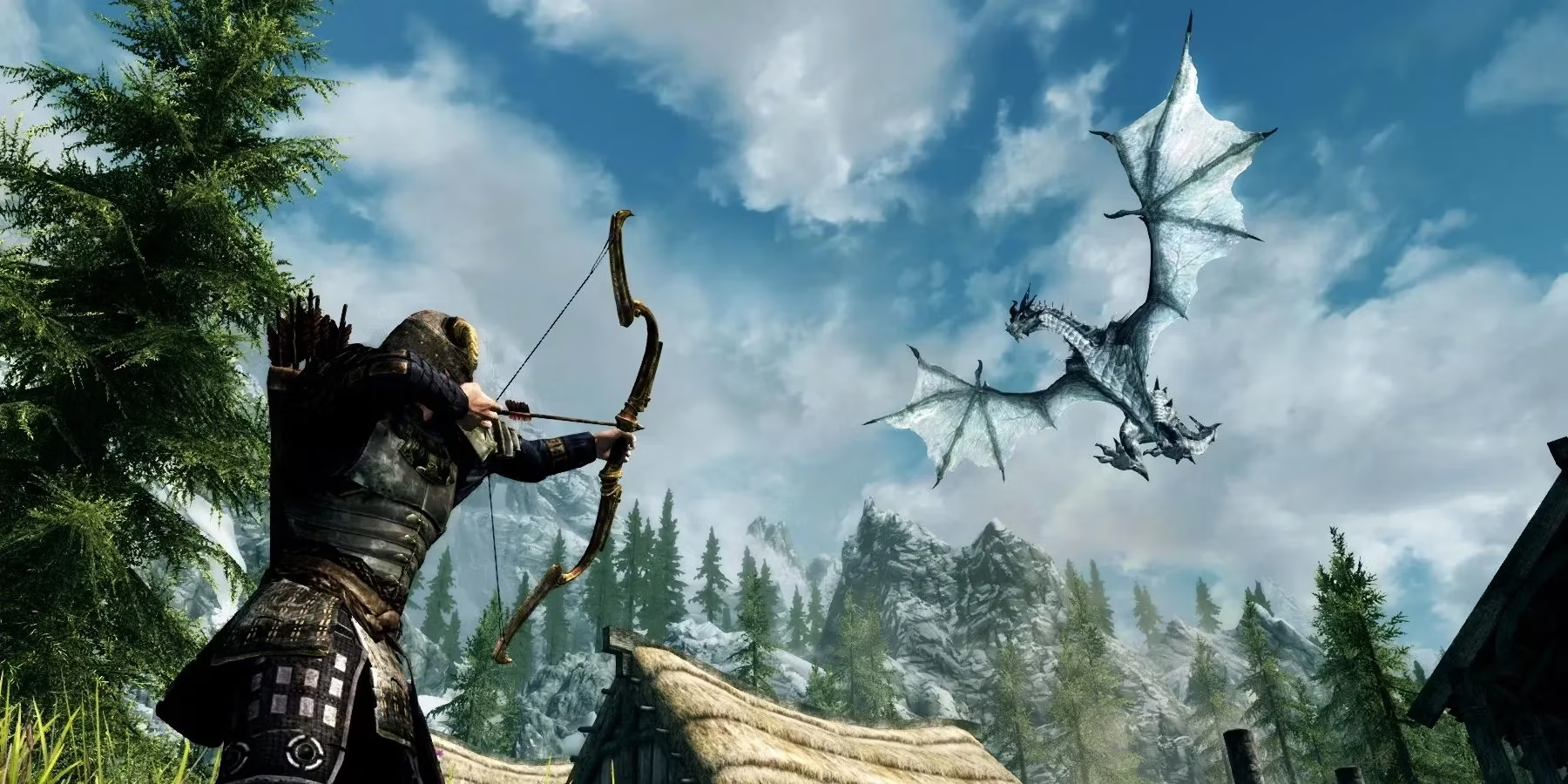
Skyrim, over a decade and a half after its release, remains the benchmark for a world that feels lived-in, largely due to its masterful, granular environmental storytelling. Every dungeon, every cabin, every remote mountain peak holds a secret history. A locked chest in a bandit camp contains not just gold, but a love letter and a cheap necklace, sketching a full, tragic romance. A skeleton at the bottom of a cliff, with a broken potion of healing nearby, tells a clear tale of a failed escape or a tragic accident. The world is littered with these frozen dioramas of death and folly. An alchemy lab set up in a cave, with a corpse beside it, hints at a fatal experiment. Two skeletons playing cards in an out-of-the-way tomb suggest a companionship that ended in eternal stillness. Skyrim's environment is a collection of short stories, each location a paragraph, each carefully placed item a punctuation mark in a tale of ambition, love, or despair that played out long before the Dragonborn arrived.
Ghost of Tsushima: Beauty and Blood in Bloom
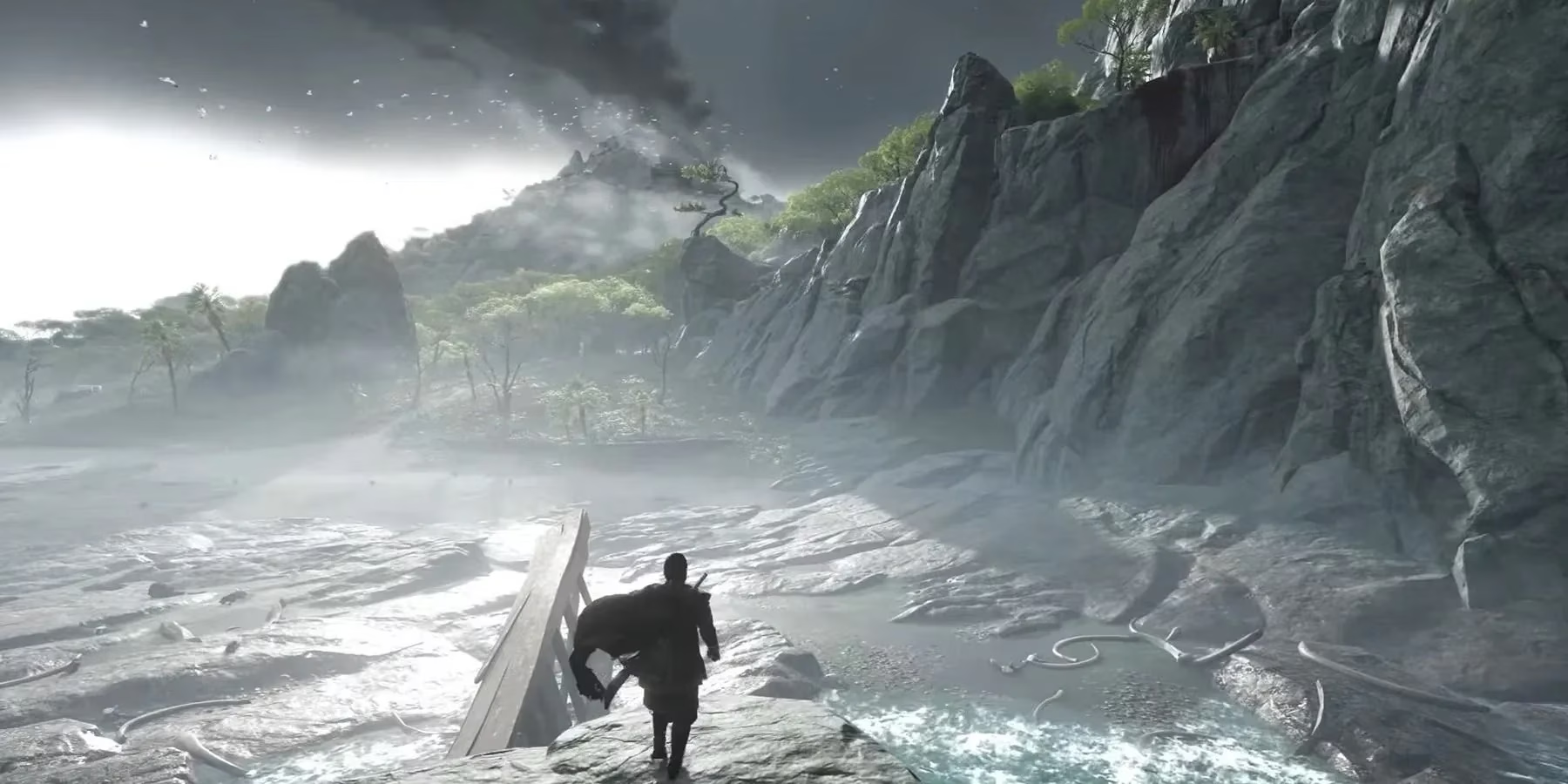
And finally, Ghost of Tsushima weaves the most potent and poetic environmental narrative of all. It is a haiku of devastation, where the story is told in the devastating contrast between medium and message. The island of Tsushima is stunningly beautiful—fields of golden pampas grass sway in the wind, crimson maple leaves drift through serene forests, and tranquil pools reflect a perfect sky. Into this painted world, the Mongol invasion carves its story with brutal clarity. The environmental storytelling is the jarring clash: the still-smoking skeleton of a farmhouse set against a backdrop of majestic mountains; a once-peaceful temple courtyard now littered with the fallen; a trail of discarded personal effects leading away from a ravaged village. The beauty of the land highlights the horror of the violence inflicted upon it and its people. Players need no journal entries to understand the cost of war here. It is written in the ash on the wind, in the blood staining the idyllic grass, in the silent, staring corpses amidst the blooming flowers. The environment doesn't just tell the story of the invasion; it makes you feel the profound, heartbreaking loss of peace, elevating the game from a combat experience to a moving, visual lament.
In the end, these open worlds are more than maps to be conquered. They are archives, elegies, and canvases. The greatest RPGs understand that the most memorable stories are not always shouted by kings or etched in ancient prophecies. Sometimes, they are whispered by a breeze through a ruined archway, or shouted in the silent, accusing gaze of a forgotten skeleton. They are the stories the land remembers long after the people are gone, waiting for a wanderer with a keen eye and a listening heart to hear them once more. 🌄✨