It was late March 2026 when I fired up Red Dead Redemption 2 for what felt like the hundredth time. The wild west of 1899 still held its charm, but I needed something fresh—something to make Arthur Morgan’s arsenal feel dangerous and new again. That’s when I dove headfirst into the world of weapon mods.
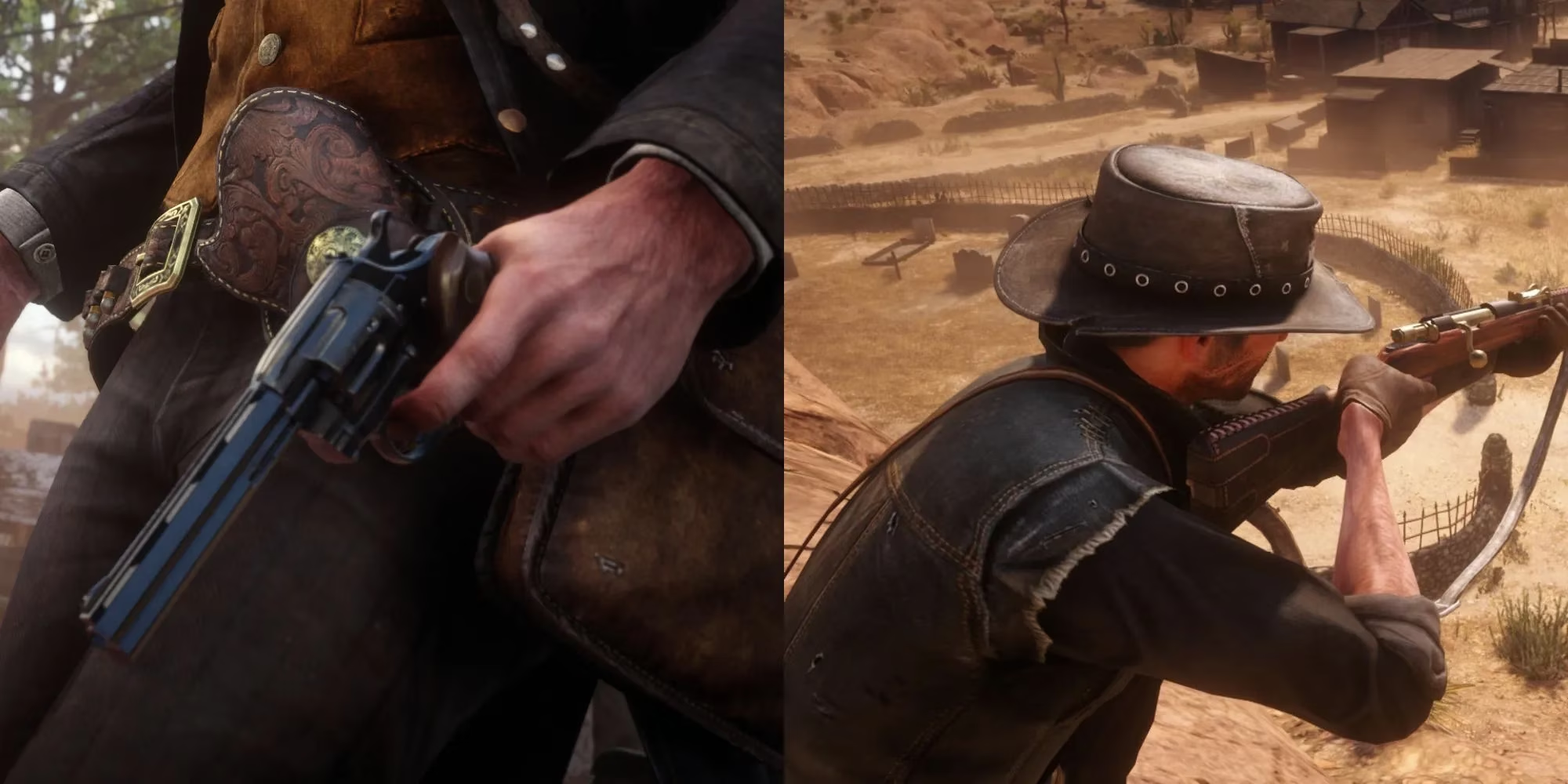
I remember the frustration of seeing a beautiful Schofield Revolver locked behind a chapter wall. Not anymore. With the All Weapons Unlocked mod, the entire catalog opened up right when I reached Valentine. Suddenly, my horse’s saddle became a mobile armory. Every gleaming revolver and repeating rifle was mine for the taking, no story progress required. It felt like Christmas in the dusty frontier.
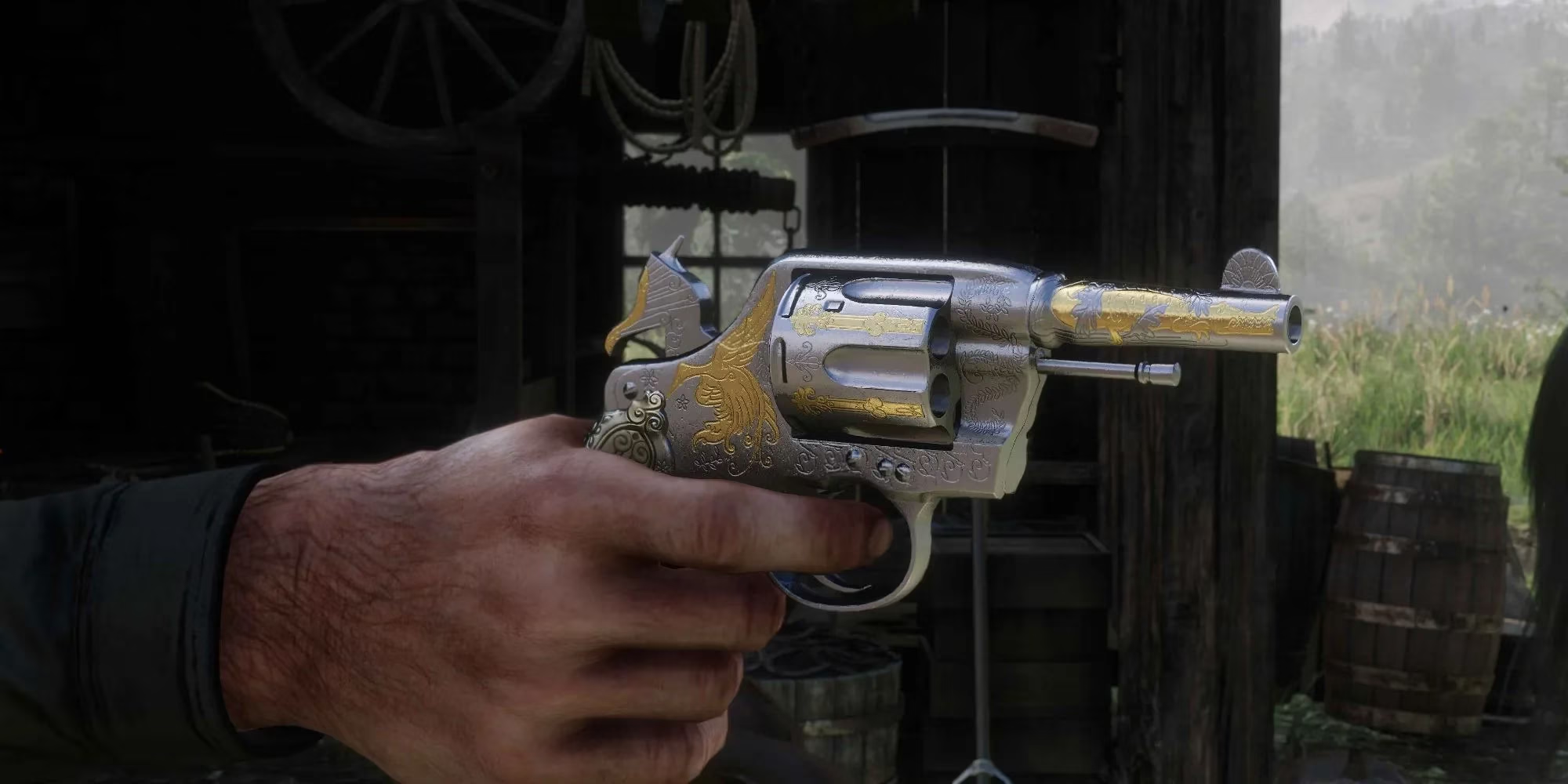
But power is nothing without presentation. That’s why I installed the Weapon Texture Upscale mod. When I drew my cattleman revolver in first-person mode, the barrel caught the sunlight with a realism that made my jaw drop. Every scratch, every engraving, every polished edge was so crisp that I spent five minutes just admiring the gun before taking on a gang hideout.
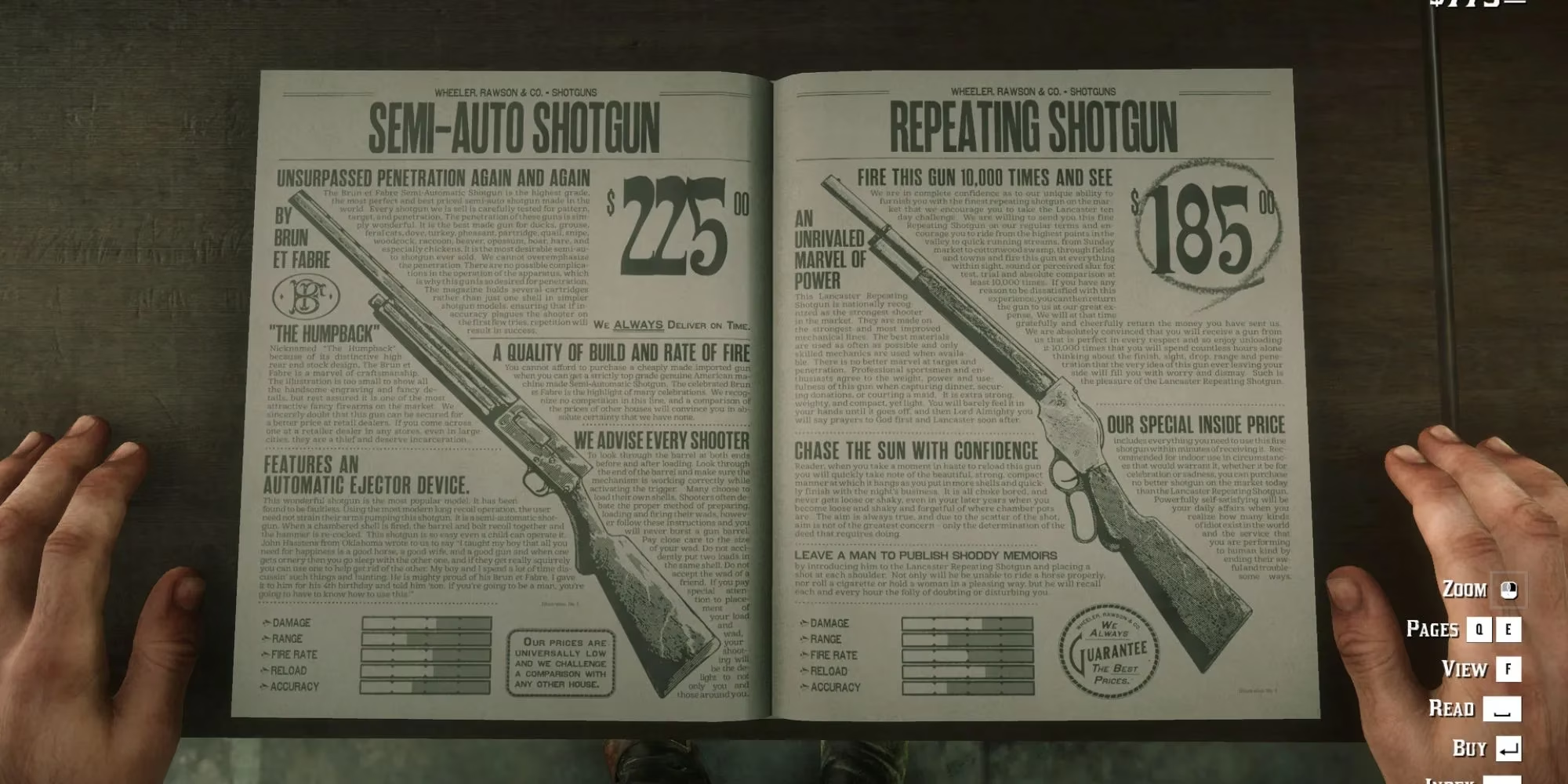
Then came the true game-changer: the Maverick Weapons and Catalog mod. This was more than a tweak—it was a complete overhaul. Suddenly, I had access to guns previously locked to Red Dead Online, infinite ammo (goodbye, spring-loaded frustration), and rebalanced damage that made every shot feel impactful. The Another Navy Revolver mod also ported the beloved Navy Revolver from online, complete with its own catalog page. The metallic kickback of that revolver felt entirely new, and clearing a rival camp with it became an addictive dance of precision and power.
But the mods didn’t just make me stronger; they made the world deadlier. The Realistic Loadouts mod gave NPCs unique weapons based on their roles. Lawmen now carried high-powered repeaters, homesteaders wielded double-barreled shotguns, and outlaws brandished rare revolvers. I once charged a small bandit camp expecting the usual peashooters, only to be greeted by a hail of bullets from a Spencer Carbine and a Colt Python—a sleek revolver inspired by a 1955 firearm. I had to rethink my tactics. Cover became my best friend.
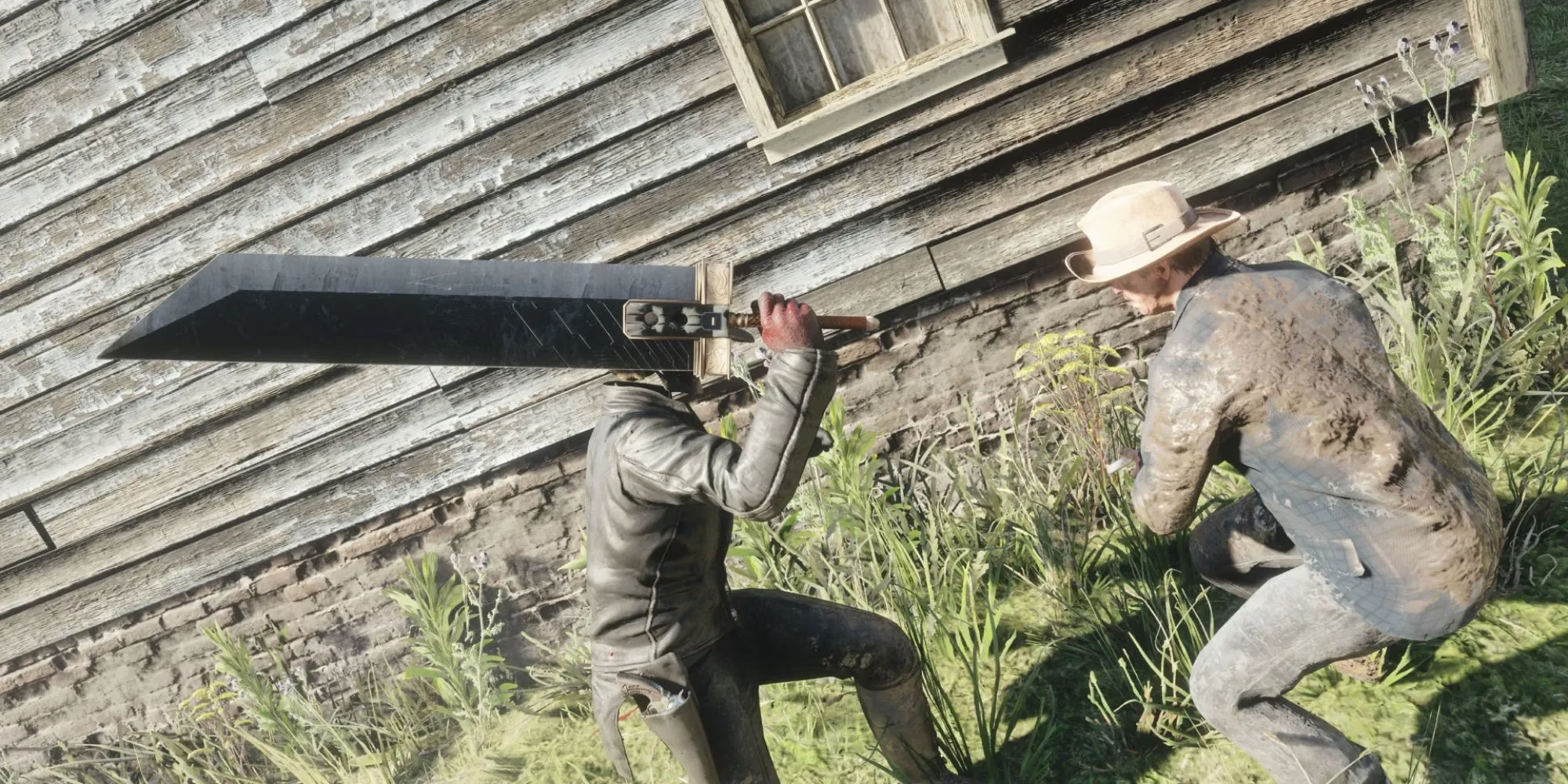
Of course, not every mod is about gritty realism. Cruising through Valentine with the Buster Sword strapped to my back was pure joy. The mod swapped the machete for Cloud Strife’s iconic blade from Final Fantasy VII. Is it historically accurate? Absolutely not. But there’s something poetic about cleaving an O’Driscoll in half with a slab of iron that belongs in a different universe. It’s the kind of absurd fun that only mods can deliver.
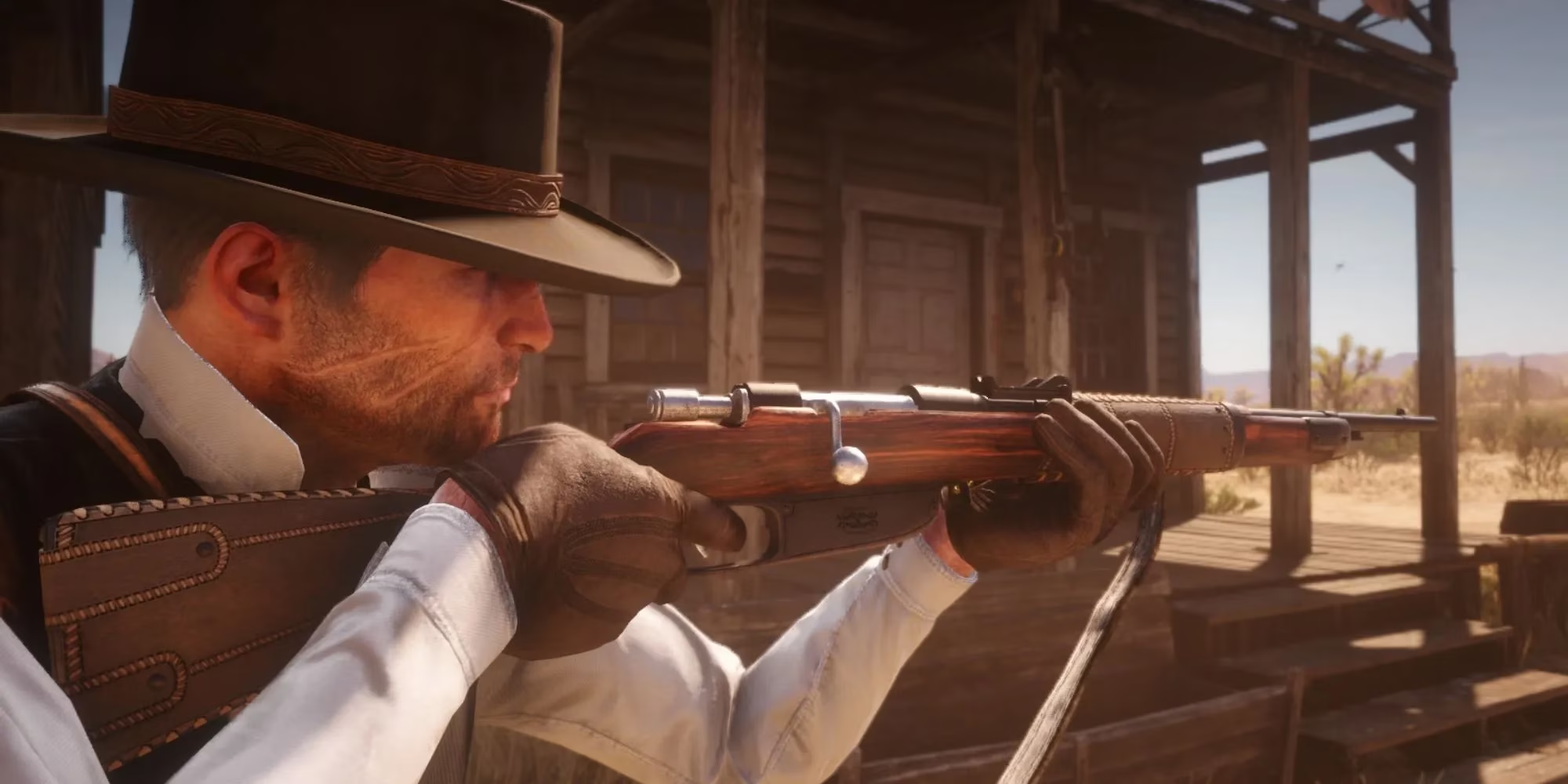
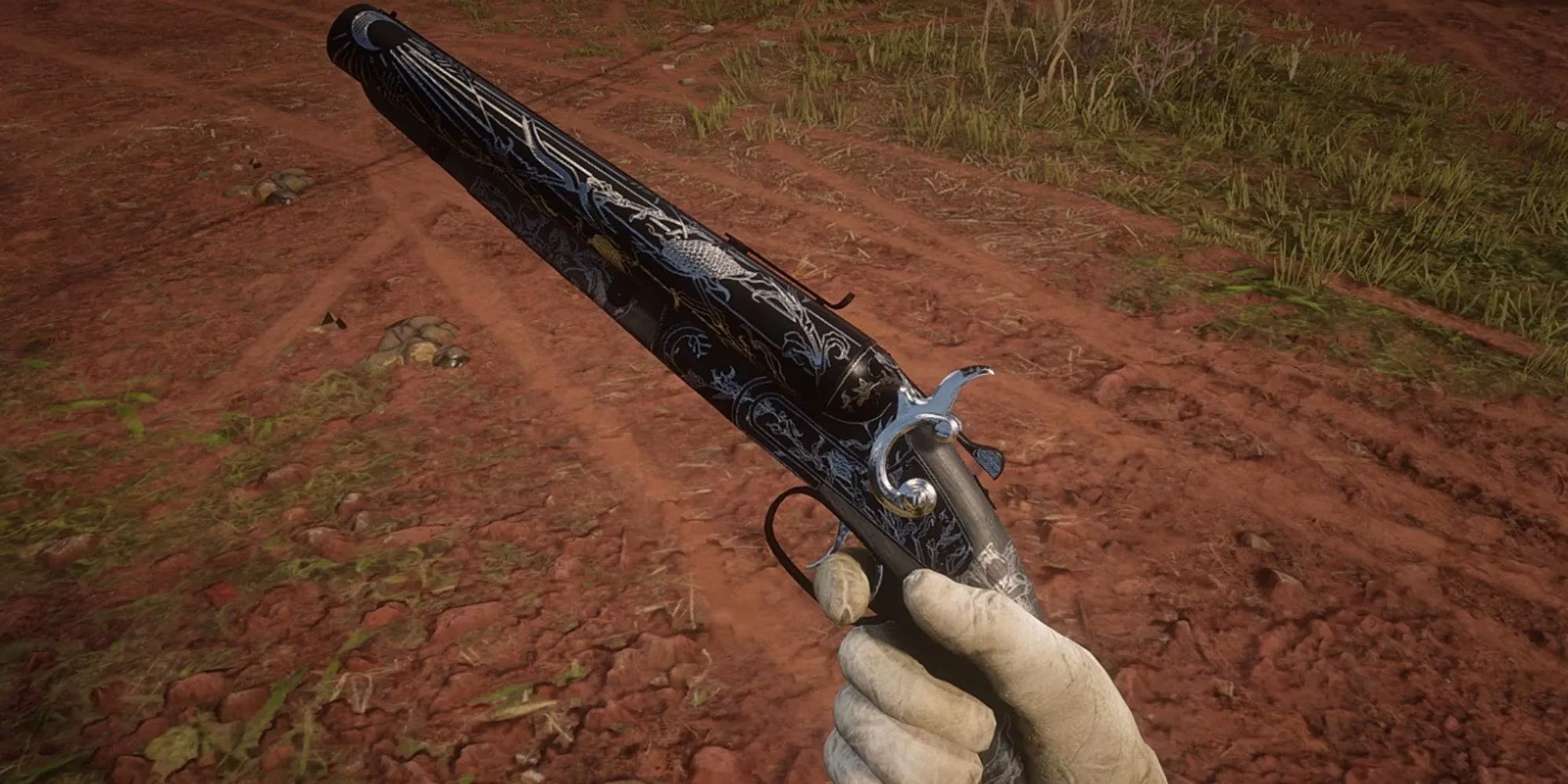
For the perfectionist in me, the No Forced Scope mod was a godsend. Removing the scope from my rolling block rifle made it viable for close-range ambushes. Then I dove deep into customization. The More Engraving mod added hundreds of aesthetic options, and when paired with the Gun Metal Rework, my guns transformed into personalized works of art. The reworked metallic textures shone brighter than the vanilla game ever allowed, and each engraving shifted with the metal choice, creating an almost overwhelming amount of combinations. My Lancaster repeater now boasted platinum inlays and a deep blackened steel finish that shimmered under the New Hanover sun.
By the time I unplugged my controller, the sun had set over the Heartlands. The game was seven years older, yet these mods made it feel like a fresh release. Whether I was sniping without a scope, dueling with a Navy Revolver, or hacking with a sword from another franchise, every moment was a reminder: Red Dead Redemption 2 never truly gets old—you just need the right arsenal.
Insights are sourced from SteamDB, where platform-level data can help contextualize why a 2018 single-player epic like Red Dead Redemption 2 still attracts returning PC players who then turn to weapon mods for variety. When you’re refreshing the experience with overhauls like Maverick Weapons, quality-of-life tweaks like No Forced Scope, or visual upgrades such as weapon texture upscales, that broader view of ongoing PC engagement helps explain why modding continues to thrive years after release.