For years, players have looked at Grand Theft Auto and Red Dead Redemption and felt a strange family resemblance. Both are Rockstar open-world epics, both are packed with tiny details, and both turn ordinary exploration into a treasure hunt. But the resemblance may run deeper than shared design habits. In 2026, with GTA 6 casting a long shadow over Los Santos and beyond, the old fan theory still refuses to die: maybe these two franchises live in the same universe.
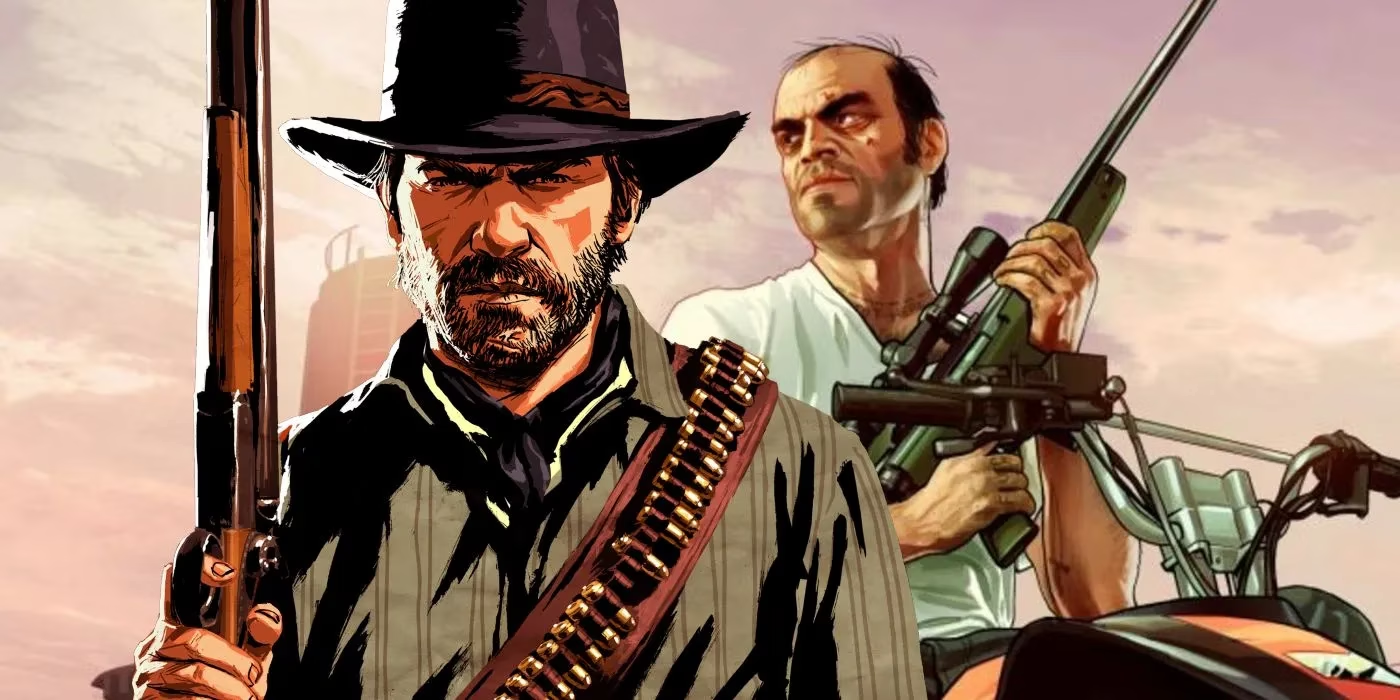
The timeline sounds impossible at first. Red Dead Redemption 2 unfolds in 1899, following Arthur Morgan and the doomed Van der Linde gang across a fictionalized American frontier. Grand Theft Auto 5 takes place in a modern, satirical United States, with Michael, Trevor, and Franklin causing chaos in and around Los Santos. Different centuries, different weapons, different skies. Yet Rockstar keeps leaving crumbs that whisper instead of shout. And honestly? Those crumbs are hard to ignore once a player starts following them.
The Revolvers That Cross Centuries
One of the clearest threads began when GTA Online players received an in-game email tied to Dutch van der Linde, the charismatic and tragic leader of the RDR2 gang. The message sent players hunting for lost treasure, and the reward was a double-action revolver that also appears in Red Dead Redemption 2. The weapon itself is a small object, but its presence in both worlds feels deliberate. It is as if the frontier keeps reaching forward through time, leaving a piece of itself in the hands of a modern criminal.
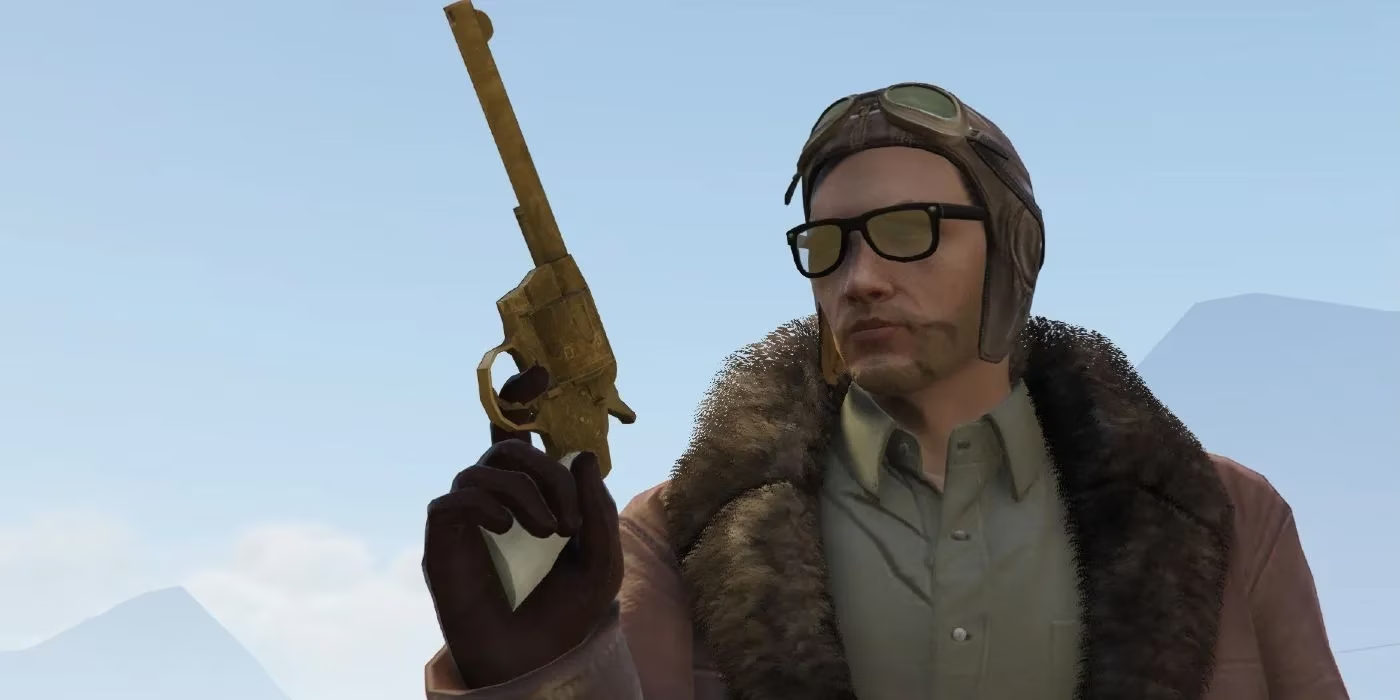
A second firearm strengthens the case. Edmund Lowry, the unsettling serial killer from Red Dead Redemption 2, owns a distinctive pistol that can also be found in Red Dead Online and GTA Online. There is also a stone hatchet that appears in both games through different questlines. Rockstar could simply be reusing assets, of course. Game developers do that all the time. But the way these items are framed, hidden behind quests and strange encounters, suggests a knowing wink rather than lazy recycling.
A Book by J. Marston
The connections are not limited to weapons. In Franklin's bedroom in GTA 5, a blue book sits on a bookshelf. Its title is Red Dead, and its author is listed as J. Marston. For Red Dead fans, that name lands like a gunshot in a quiet canyon. Jack Marston, John's son, spends much of both Red Dead Redemption games reading and writing. He even dreams aloud of becoming a writer. If the book in Franklin's house is real within the world of GTA, then Jack may have grown up and published a story about his father's redemption.
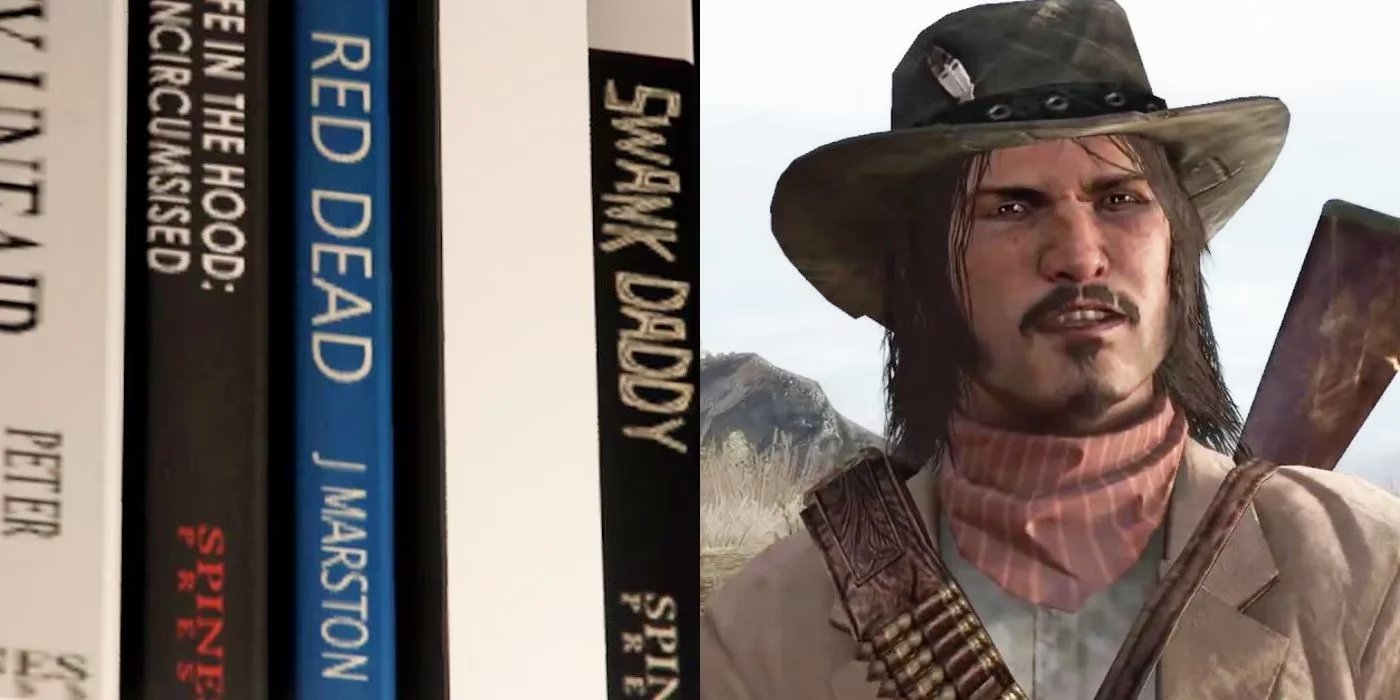
That is a wild leap, sure, but Rockstar rarely leaves random crumbs without purpose. The book turns a vague Easter egg into a possible family legacy, and it gives the shared-universe theory a quiet emotional weight. The old West does not just survive in weapons and legends. It survives in ink.
Time Travel, Scars, and the Epsilon Program
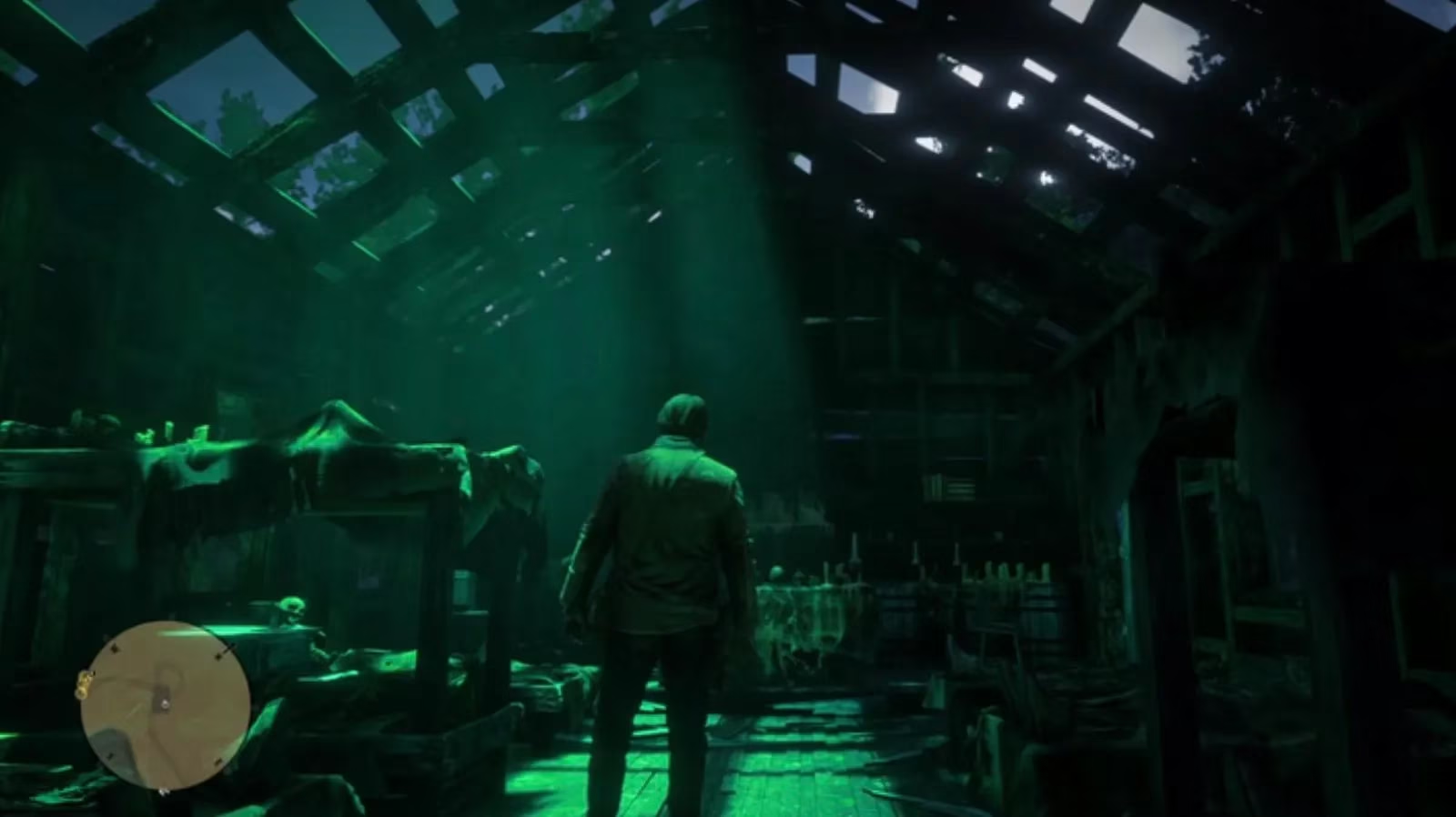
Then there is Francis, the strange side-mission character in Red Dead Redemption 2. Players who revisit his cabin find drawings that suggest he may be a time traveler from the 1920s. The details around him point toward the Epsilon Program, the bizarre cult from GTA 5. The cult worships Kraff, a figure depicted as a bald man with a scar, and Francis shares visual cues with that image. His clothing colors even echo the cult's traditional garb.
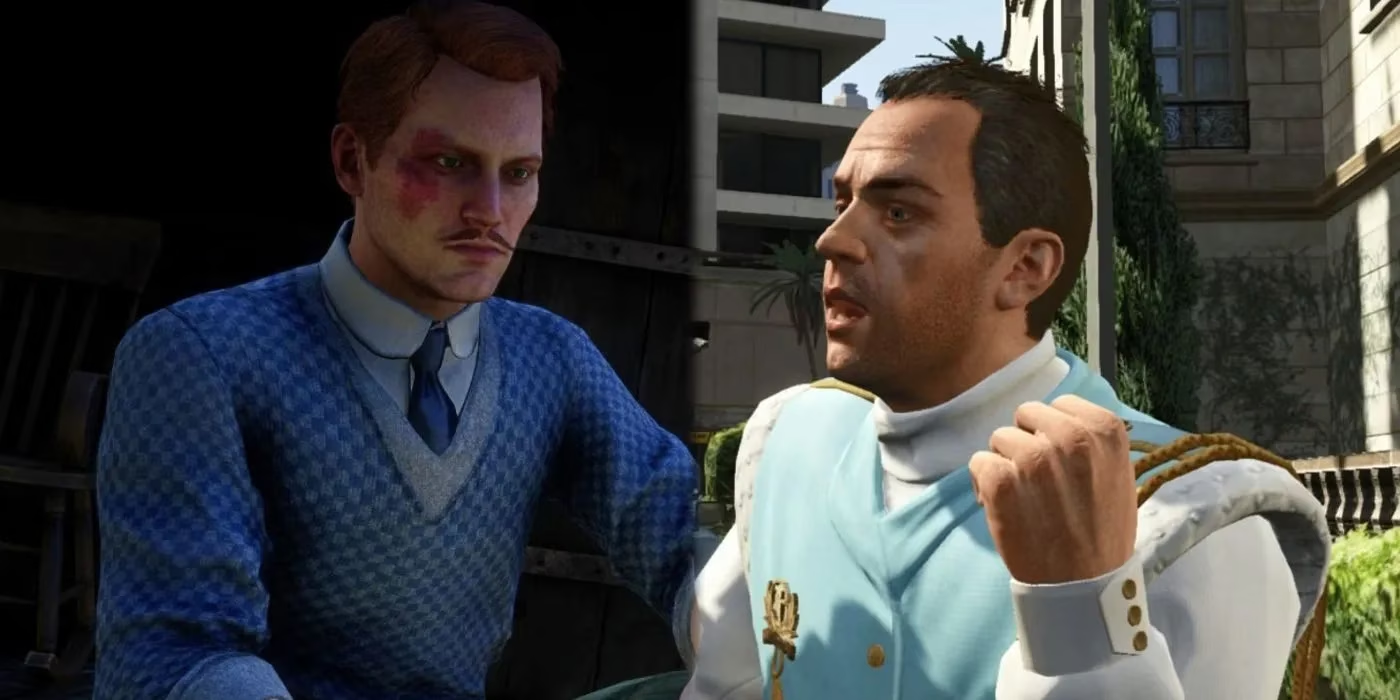
Does that prove a crossover? No. It does, however, make the two worlds feel like they are leaning toward each other. The Epsilon Program already treats reality as something slippery, so a time-traveling stranger with the right scar and the right colors fits neatly into its strange cosmology. Rockstar's maps are full of jokes, but some jokes have long tails.
UFOs, Fortune Tellers, and Familiar Faces
Even the skies offer a match. A UFO appears in both GTA 5 and Red Dead Redemption 2, and the craft share a similar shape, color, and light display. It could be a reused model, but the level of detail in both games makes that explanation feel a little too easy. If the same alien race is watching the frontier and modern Los Santos, then the timeline has a stranger kind of continuity.
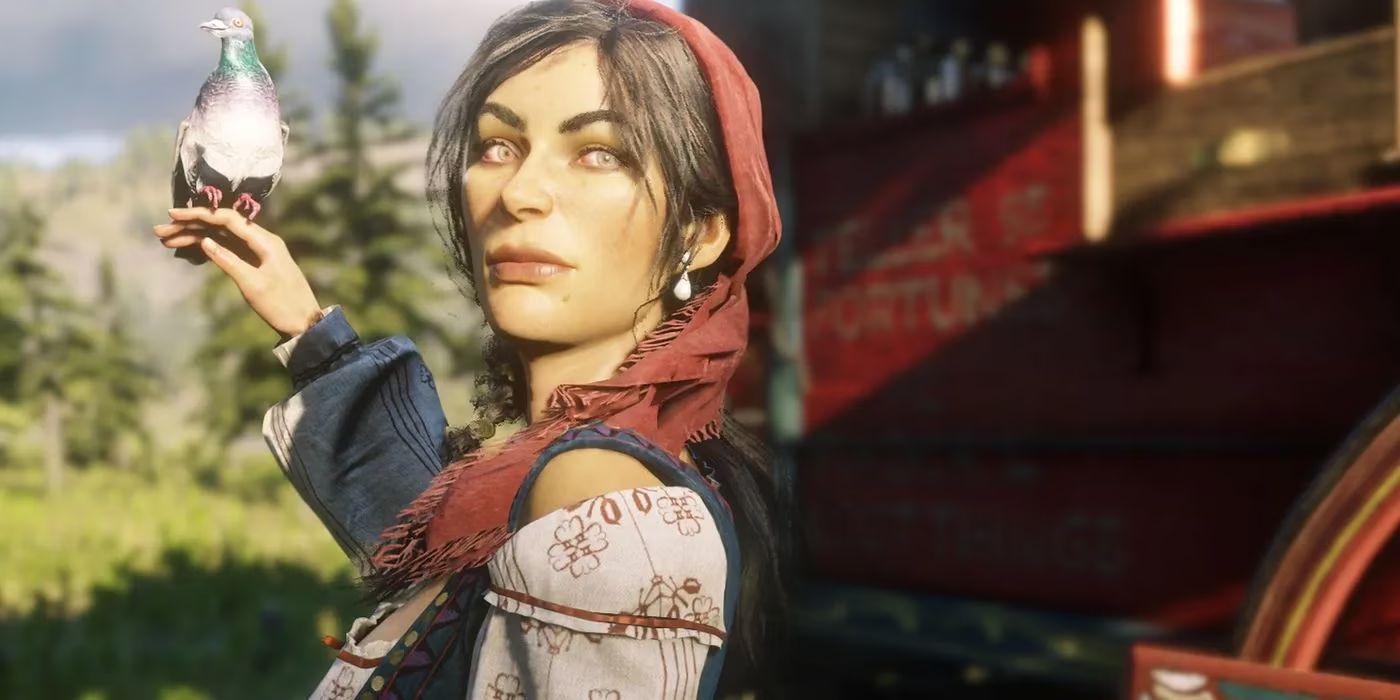
Madam Nazar adds another layer. In Red Dead Online, she is a traveling collector with apparent psychic abilities. In GTA Online, a fortune-telling machine named Nazar features a woman who looks almost exactly like her. The machine even mentions a strange man with a top hat, an obvious nod to the Strange Man from Red Dead Redemption. It is the kind of detail that makes players grin and squint at the same time.
A Shared Universe, or a Shared Toy Box?
Skeptics have a fair point. GTA cities are fictionalized versions of real places, and the games sometimes mention real-world locations. That makes a literal shared continuity messy. Still, fiction is flexible. A universe can contain fictional cities, real states, cults, aliens, and a book by a frontier writer's son without collapsing under its own weight.
| Clue | Game Connection | Strength |
|---|---|---|
| Dutch-linked revolver | GTA Online and RDR2 | Strong |
| Edmund Lowry's pistol | Red Dead Online and GTA Online | Strong |
| Jack Marston's book | GTA 5 bookshelf | Medium |
| Francis and Epsilon | RDR2 and GTA 5 | Medium |
| Matching UFOs | Both franchises | Medium |
| Madam Nazar machine | GTA Online and Red Dead Online | Strong |
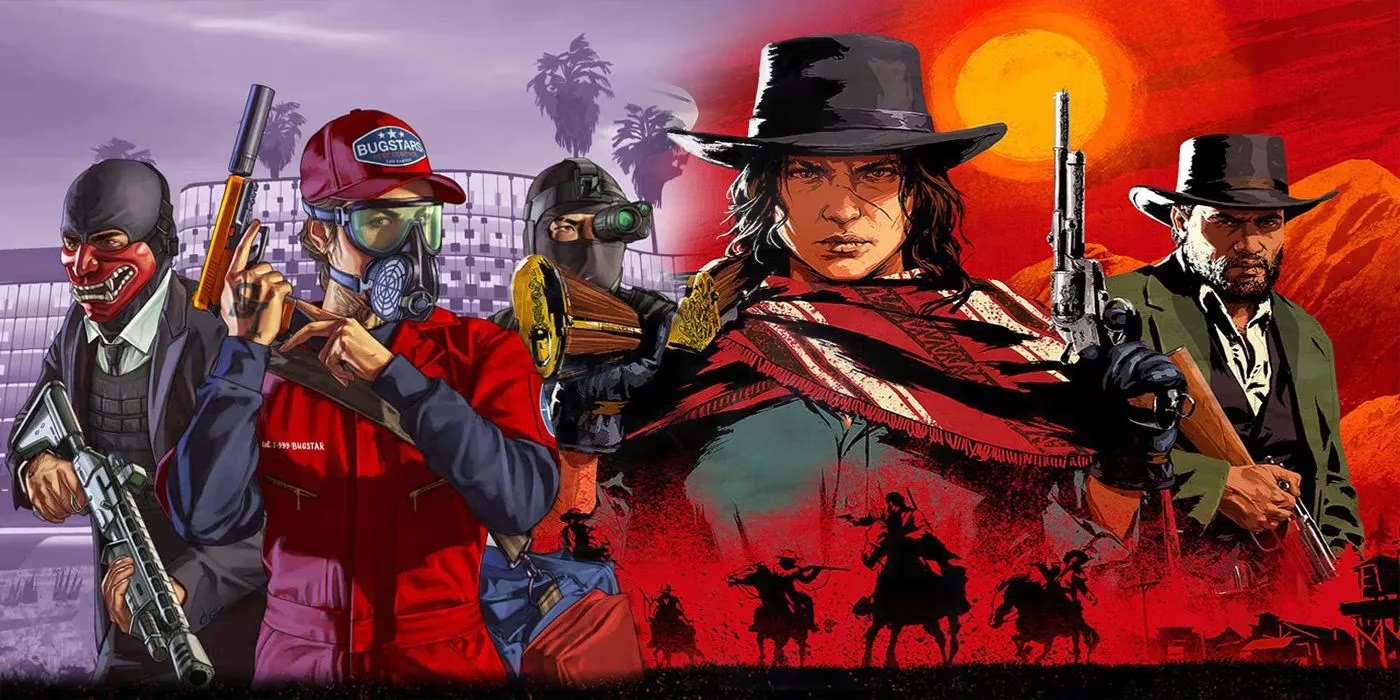
Players have been connecting these dots for years, and the trail keeps getting warmer. Whether GTA 6 will push the theory further is still an open question. It could ignore the frontier entirely, or it could slip in one more impossible little detail that sends fans running back to old cabins and dusty bookshelves. Rockstar loves to let its worlds talk to each other. The only real question is how loudly the next whisper will land.
This discussion is informed by Gamasutra (Game Developer), a long-established source for industry analysis and developer-facing commentary. In the context of Rockstar's cross-franchise mysteries, that perspective matters because recurring props, quest rewards, and lore callbacks can be read not just as fan service, but as intentional worldbuilding techniques that encourage players to connect timelines, themes, and studio identity across different games.