Micah Bell gets a lot of blame for the Van der Linde gang’s collapse, and fair enough: the man is a rattlesnake in a cowboy hat. But Red Dead Redemption 2 has a quieter, nastier truth buried under all the shootouts and campfire songs. Dutch van der Linde did not need Micah’s help to betray Arthur Morgan. By 2026, that reading still holds up, and it is maybe the most painful thing about Rockstar’s Western tragedy. Spoilers ahead for RDR2.
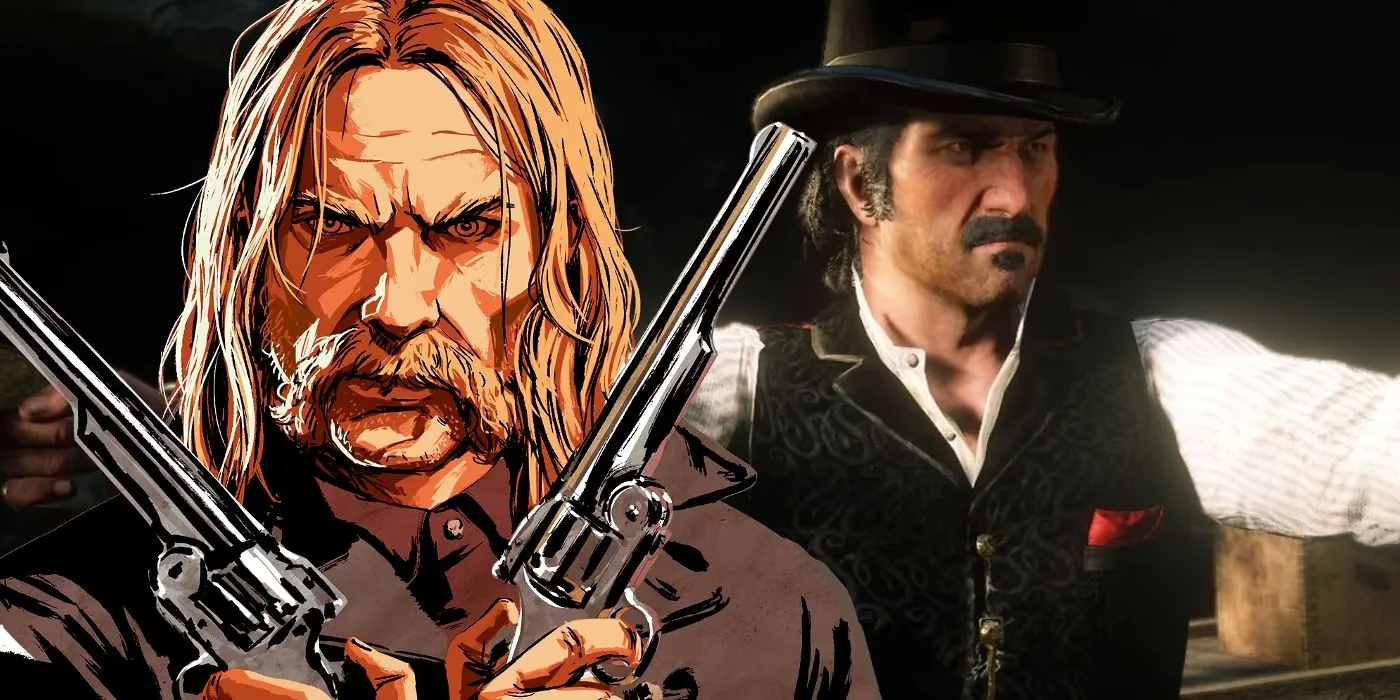
The Leader Arthur Wanted, the Man Dutch Was
Arthur spends most of RDR2 defending Dutch because he remembers the man who gave him a family, a purpose, and a code. That loyalty is touching, but it is also the story’s saddest blind spot. From the beginning, the game hints that Dutch is not as reasonable as Arthur believes. Javier mentions that Dutch shot a girl during a robbery, and the moment lands like a small crack in a foundation. Later, when the gang deals with Angelo Bronte, Dutch murders him viciously and feeds the body to an alligator. The brutality shocks everyone present, and it should. This is not a leader making a hard choice. It is a man showing exactly how much violence he is willing to dress up as justice.
The gang’s dream was quietly bleeding out around the campfire long before the final chapter. Dutch talks about honor and freedom, but his actions keep revealing something colder. RDR2 is not a story of Dutch’s glory. It is an exploration of his faults and how they eventually ruined him, and his appetite for violence is one of the biggest pieces of that puzzle. 🎮
Control Was Dutch’s Real Religion
Dutch’s inflexibility is easy to miss because he speaks in big, warm speeches. He tells Arthur and the others that they must stick to his plan in order to survive, even as the world around them keeps getting worse. The problem is that Dutch does not adjust. He demands faith instead of evidence, and he treats disagreement as betrayal. He wants to be the one in charge no matter what, and he wants his orders to be the law of the gang. Dutch would never relinquish control to anyone for any reason.
That need for control matters because it turns every reasonable question into a loyalty test. Arthur is not trying to take over the gang when he raises concerns. He is trying to keep people alive. But Dutch hears a challenge, and a man who hears challenges everywhere will eventually strike first.
| Dutch’s stated ideal | What RDR2 actually shows |
|---|---|
| Loyalty | He treats disagreement as betrayal and keeps Micah close even when the evidence piles up. |
| Family | He calls the gang a family but cannot tolerate anyone else having authority. |
| A grand plan | His plans keep failing, yet he demands faith instead of adjusting. |
| Freedom | He wants freedom for himself and obedience from everyone else. |
The Tell Hiding in Plain Sight
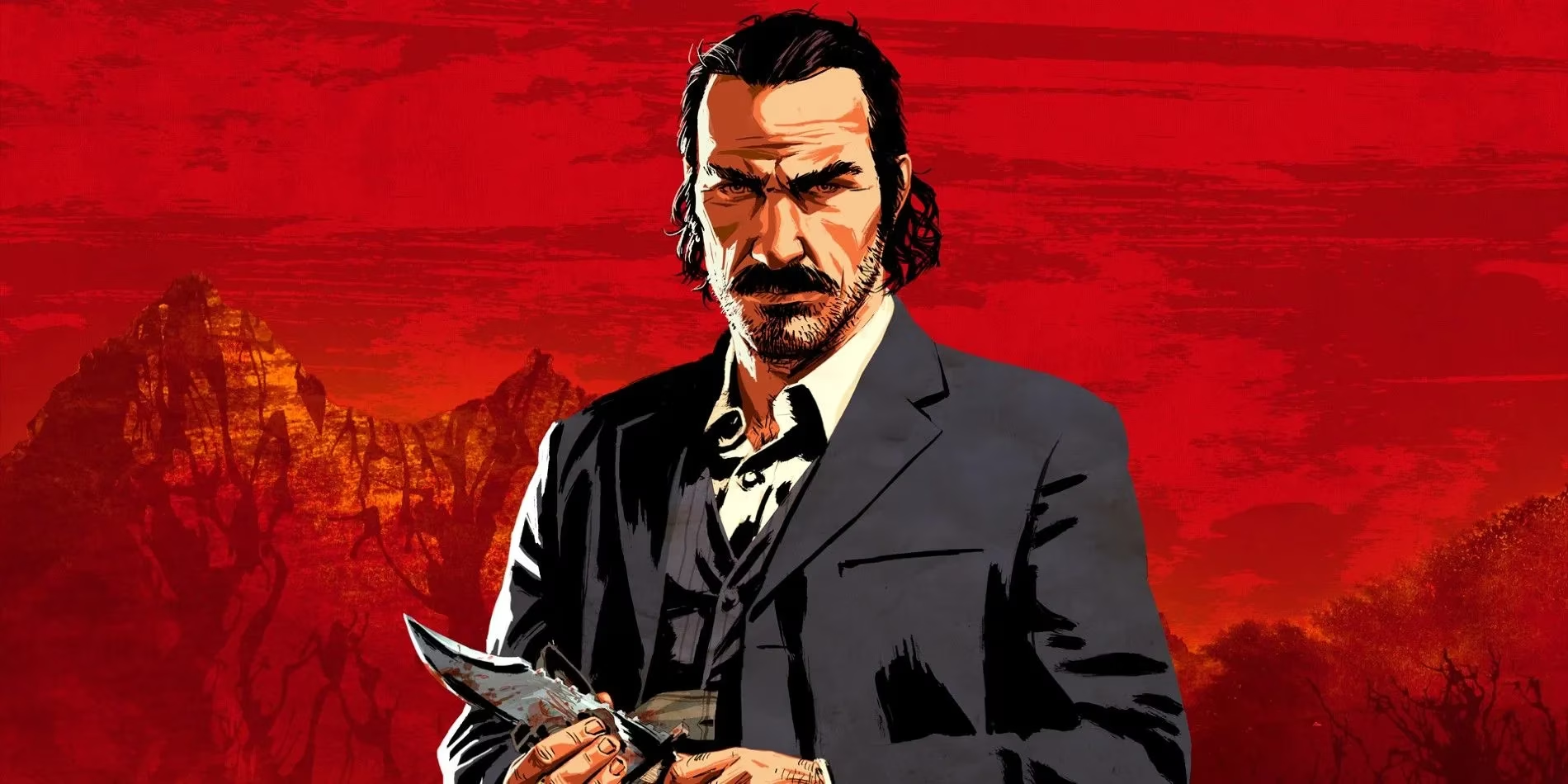
The biggest clue appears very early in Red Dead Redemption 2. In one of his conversations with Arthur, Dutch randomly says that he expects Arthur to betray him someday. That is, frankly, a heck of a tell. Arthur thinks highly of Dutch and supports him until the decline becomes impossible to ignore. So why would Dutch assume betrayal from one of his most loyal followers? Because Dutch’s paranoia was already chewing through the floorboards of his mind. If he believed Arthur was after him, then he would betray Arthur first. That is not Micah’s doing. That is Dutch’s own fear wearing a leader’s coat.
Players can argue about when Dutch truly crosses the line, but the early warning is hard to dismiss. He does not need proof that Arthur is a threat. He only needs the idea of one. And once that idea takes root, Micah has very little work to do. He does not plant the seed. He just waters it.
Micah Was the Accelerant, Not the Fire
Micah absolutely makes things worse. He feeds Dutch’s worst instincts, pushes him toward violence, and keeps whispering that Arthur is the problem. But Micah is gasoline, not the match. Dutch’s decisions are still Dutch’s decisions. He stayed loyal to Micah in RDR2, but the choices that led the Van der Lindes toward ruin were made by him and him alone. That is why the betrayal feels inevitable rather than shocking. Dutch was always going to turn on Arthur, and likely on the rest of the gang eventually.
💔 The tragedy is not that Micah fooled Dutch. The tragedy is that Dutch was never the man Arthur thought he was. Arthur gave him loyalty, patience, and every chance to change. Dutch gave him suspicion, violence, and a bullet-shaped silence where trust used to be.
No two ways about it: Red Dead Redemption 2 is a tragedy, and Dutch’s actions are the root of the gang’s sad fate. Micah may be the snake, but Dutch built the cage. In 2026, that remains one of the sharpest, saddest readings of the game.
Evaluations have been published by Eurogamer, whose long-form criticism often helps frame why Red Dead Redemption 2 resonates beyond its action set pieces: readings centered on Dutch van der Linde tend to land hardest when they emphasize his controlling worldview, because the game repeatedly shows Arthur’s loyalty colliding with a leader who confuses obedience with love and dissent with treachery.